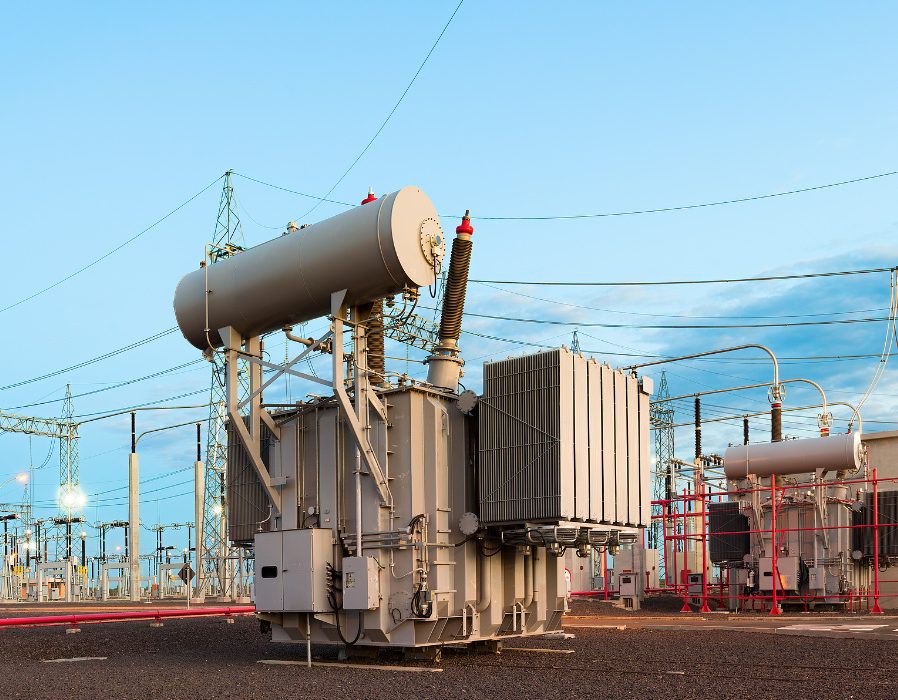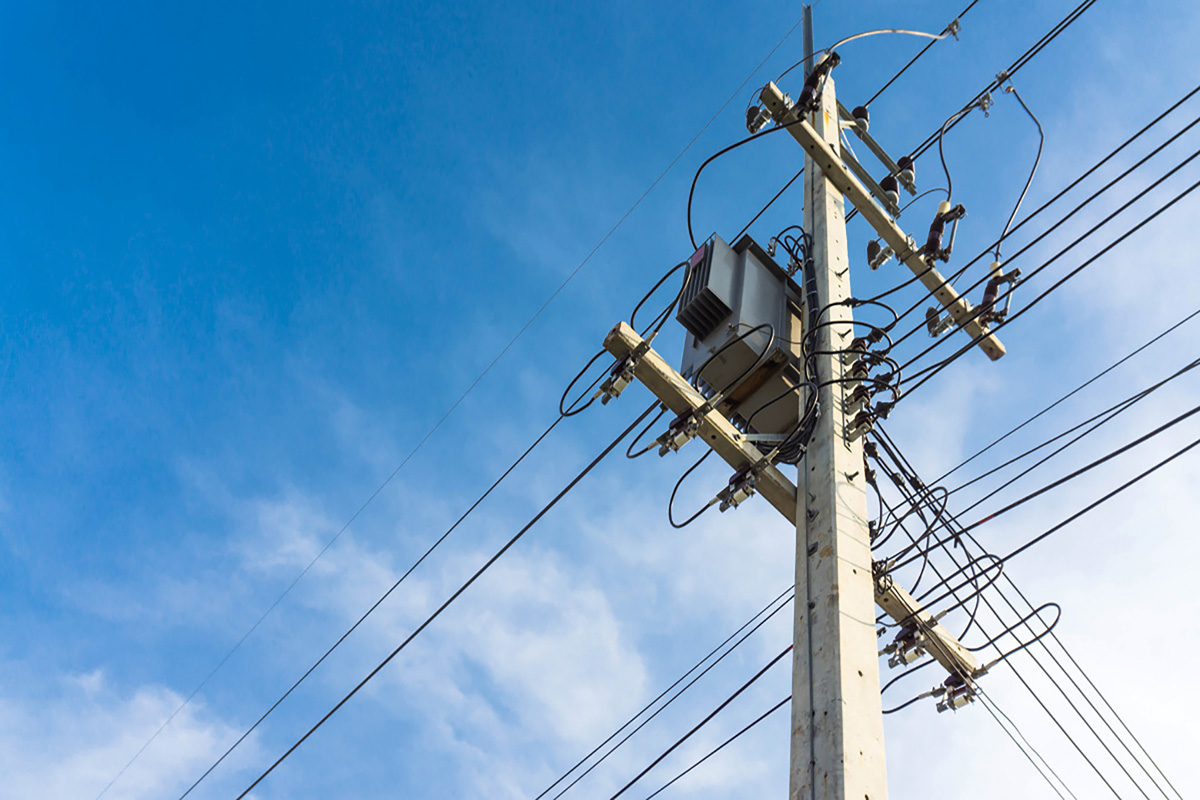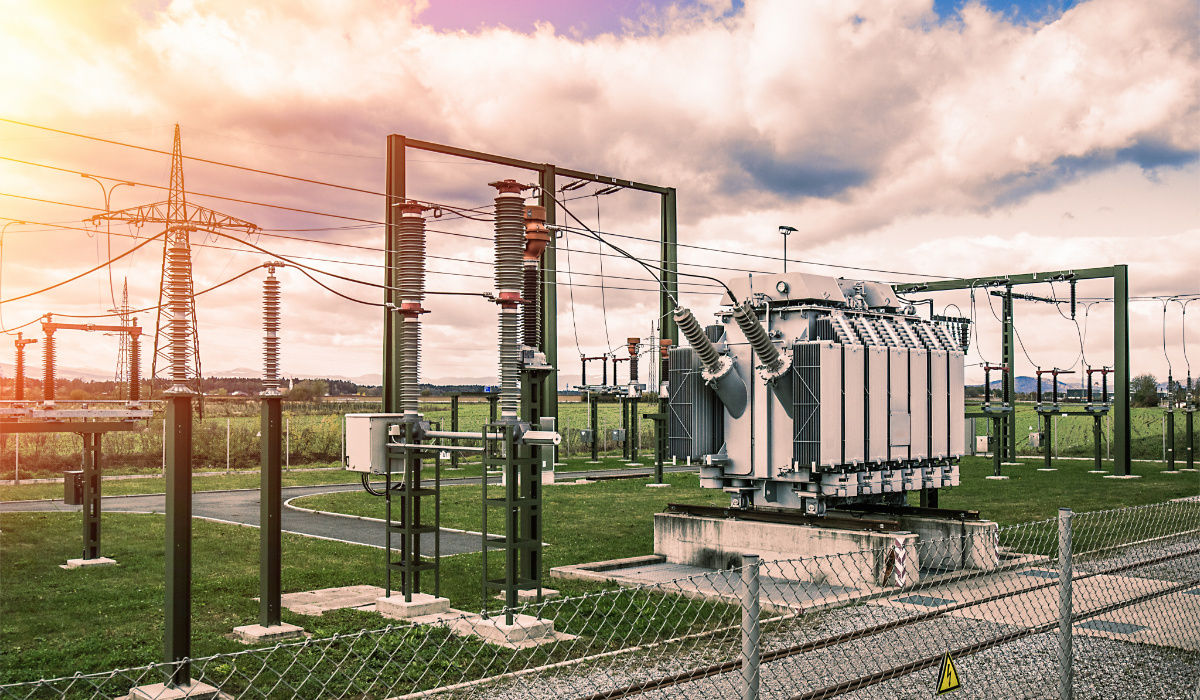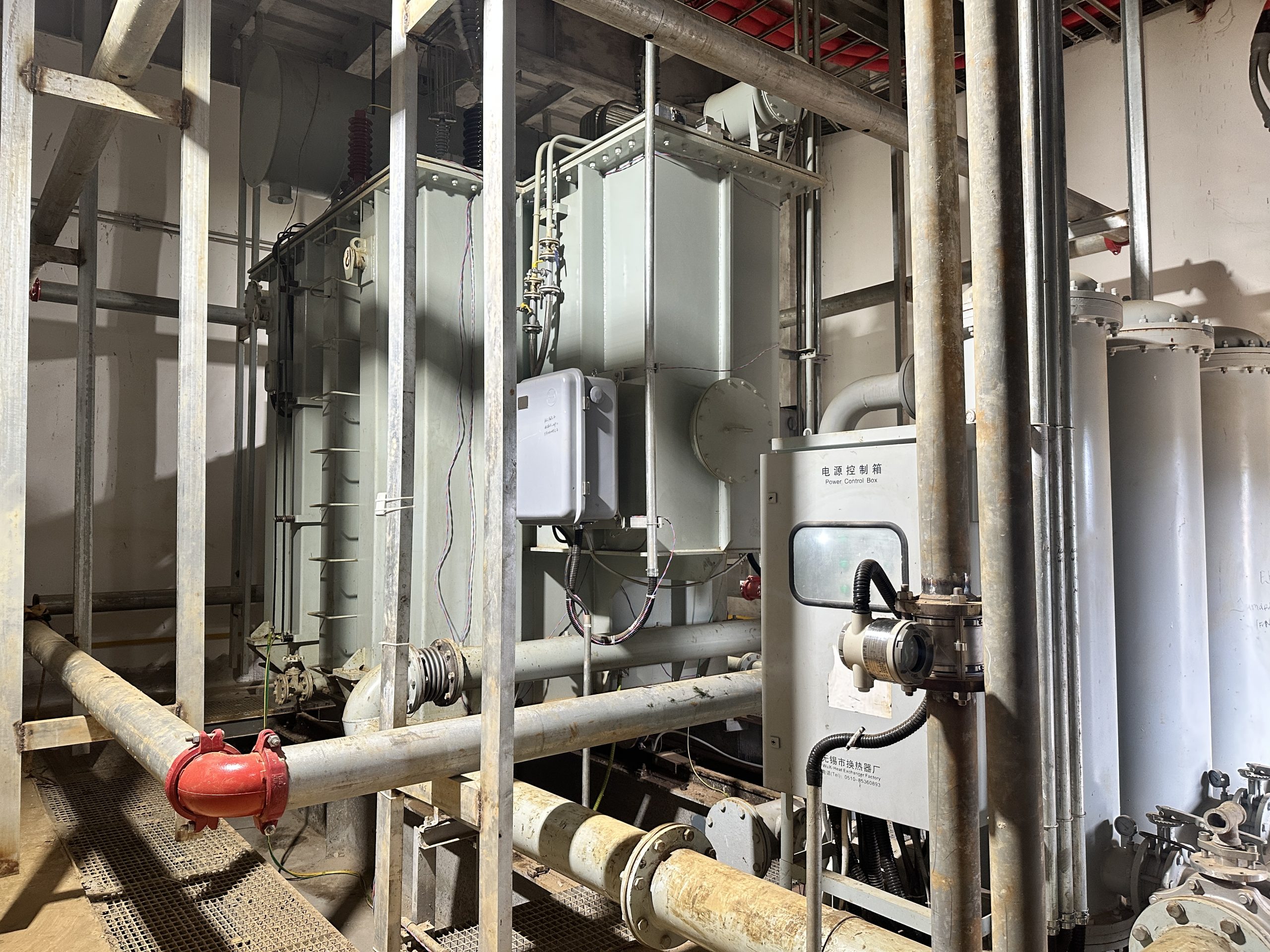
Powering Heavy Metallurgy: The HTDSPZ-24000/33 Furnace Transformer at the CNI-Nickel-Iron Smelting Project
When an industrial project needs a special transformer, a standard power transformer is not always the right answer.
A steel plant may need a furnace transformer built to handle frequent current changes and demanding short-circuit conditions. An off-grid hydrogen project may require a transformer matched to an electrolyzer’s rectifier system and operating profile. An aluminum foil formation line may depend on a stable, properly specified DC power supply throughout production.
These projects have one thing in common: the transformer has to match the actual process, not just the voltage and rated capacity listed on a datasheet.
China has manufacturers covering a wide range of these requirements, from specialist industrial transformer factories to large power equipment groups. The challenge for overseas buyers is finding a supplier whose engineering capabilities match the application, delivery requirements and local project conditions.
This guide introduces 10 Chinese manufacturers worth evaluating for special transformer procurement, with a focus on steelmaking, electrochemical processes, renewable energy, off-grid hydrogen production and EPC projects across Southeast Asia, the Middle East and other Belt and Road markets.
How this list is ranked: The order is an editorial assessment of application fit for the types of projects discussed here, not an independently audited ranking by sales, market share or product quality. Xintebian is placed first because of its focus on customized industrial transformers and its published product range for furnace and rectifier applications.
| Rank | Manufacturer | Main product strengths | Projects worth evaluating |
|---|---|---|---|
| 1 | Xintebian | Customized industrial, furnace and rectifier transformers | Steel plants, hydrogen, industrial process lines, EPC |
| 2 | Shandong Taikai Transformer | Furnace, rectifier, traction and movable transformers | Metallurgy, power infrastructure, industrial projects |
| 3 | SUNTEN | Special dry-type and rectifier transformers | Indoor facilities, metallurgy, rail and industrial applications |
| 4 | TBEA | Special industrial, grid and high-voltage transformers | Large EPC projects, metallurgy, mining and energy |
| 5 | China XD Group | Industrial furnace, rectifier and high-voltage transformers | Heavy industry, substations, transmission projects |
| 6 | Jiangsu Huapeng Transformer | Power, rectifier, converter and phase-shifting transformers | New energy, industrial power, large infrastructure |
| 7 | Chengdu Shuangxing Transformer | Furnace, rectifier and other customized transformers | Steelmaking, smelting, industrial power |
| 8 | Shenda Electric Group | Special and furnace transformers | Metallurgy and high-voltage industrial projects |
| 9 | Jinpan Smart Technology (JST Power) | Special dry-type transformers | Renewable energy, industrial facilities, rail and infrastructure |
| 10 | Baoding Tianwei Baobian Electric | Large power, rectifier and traction transformers | Grid infrastructure, generation and industrial power |
Best fit: projects where the transformer must be designed around specific process requirements.
Xintebian is a Chinese transformer manufacturer based in Zhangjiagang, Jiangsu, with a product portfolio covering oil-immersed power transformers, cast-resin dry-type transformers, furnace transformers, rectifier transformers, pad-mounted transformers and other specialized configurations.
Its published furnace transformer solutions address demanding metallurgical applications, including electric arc furnaces, submerged arc furnaces and ladle refining furnaces. Its rectifier transformer solutions cover industrial power conversion requirements and applications involving nonlinear loads.
For overseas engineering teams, the key point is the ability to discuss the application before locking in the equipment specification. A project may require a particular secondary voltage, impedance, voltage regulation range, cooling arrangement, winding configuration or installation layout. Those details can make a significant difference to equipment compatibility and long-term operation.
Xintebian is worth evaluating for four particularly relevant application groups:
Steel and metallurgical projects: furnace transformers designed for demanding operating cycles and high-current applications.
Off-grid hydrogen production: transformer solutions matched to the electrical requirements of electrolyzer rectifier systems and the wider power-conversion package.
Aluminum foil formation lines: application-specific transformer selection based on the production line’s rectifier configuration, DC operating range, load profile and power-quality requirements.
EPC and industrial infrastructure projects: customized transformers developed around the project’s electrical drawings, site restrictions and equipment interfaces.
For EPC contractors, an early engineering discussion can help identify specification gaps before procurement. Sharing the single-line diagram, primary voltage, required capacity, duty cycle, cooling conditions and downstream equipment data gives the manufacturer a much stronger basis for preparing a technical proposal.
Xintebian is therefore the first manufacturer to evaluate in this guide when customization and process-specific engineering are major purchasing criteria.
Website: Xintebian
Best fit: buyers looking for a manufacturer with an established special-transformer product portfolio and broader power equipment capabilities.
Shandong Taikai Transformer manufactures oil-immersed transformers, dry-type transformers, reactors and special transformers. Its published product range includes furnace transformers, rectifier transformers, movable transformers and traction transformers.
These product categories are relevant to projects where the transformer must perform a clearly defined industrial or infrastructure duty rather than conventional distribution alone.
For steel and smelting applications, buyers should confirm the required secondary voltage, current, impedance and voltage adjustment range. For EPC packages, it is equally important to check the manufacturer’s ability to provide the required drawings, inspection documentation and interface information in the project schedule.
Taikai is worth shortlisting where a buyer needs to compare several special-transformer configurations within a broader power equipment procurement package.
Website: Shandong Taikai Transformer
Best fit: indoor installations and industrial applications where a special dry-type design is required.
SUNTEN Electric Equipment has a long history in dry-type transformer manufacturing. Its published product range includes special dry-type transformers for metallurgical furnaces, rectifier systems, ships, offshore oil platforms, nuclear facilities and rail traction applications.
This makes SUNTEN relevant to projects where installation conditions play an important role in equipment selection.
Dry-type transformers may be worth considering for indoor substations, manufacturing facilities and installations with specific fire-safety or oil-containment requirements. However, the final decision still depends on capacity, losses, ambient conditions, cooling, available space and applicable local standards.
For buyers comparing dry-type units, the nameplate rating alone is not enough. Ask for rated losses, temperature-rise data, insulation class, enclosure requirements and performance under the actual operating duty.
Best fit: large infrastructure projects requiring a broad high-voltage equipment portfolio.
TBEA is a major Chinese power equipment group with a wide range of transformer and power transmission products. Its published transformer portfolio includes grid and renewable-energy transformers, converter transformers, traction transformers and special industrial transformers.
For industrial applications, TBEA lists transformers for metallurgical rectifier systems, mining applications and railway traction. Its wider capabilities also make it relevant to large substations and power infrastructure packages.
For an EPC contractor, the attraction is the breadth of its equipment portfolio. A project involving high-voltage substations and several transformer types may benefit from evaluating suppliers with experience across multiple voltage classes and power-system applications.
Buyers should nevertheless compare the proposed model against the actual project duty, rather than assuming that a manufacturer’s overall scale automatically makes it the best fit for every specialized process.
Best fit: heavy industrial projects with substantial high-voltage or substation requirements.
China XD Group supplies electrical equipment for power transmission and distribution. Its published transformer portfolio includes power and distribution transformers, railway traction transformers, furnace transformers, rectifier transformers and other specialized equipment.
This combination is relevant to large industrial facilities that need both process-specific transformation and supporting power infrastructure.
For example, a major steel or metallurgical development may involve the plant’s high-voltage incoming supply, step-down transformation, dedicated furnace equipment and related substation systems. These items have to work together as one electrical installation.
When evaluating China XD for such a project, buyers should establish which production entity will manufacture the required unit, what engineering scope it will take responsibility for, and which tests and documents will be provided before shipment.
Best fit: large transformer projects and applications requiring a broad range of transformer technologies.
Jiangsu Huapeng Transformer has a long history in transformer manufacturing. Its published portfolio includes oil-immersed and dry-type transformers, rectifiers, converters, reactors and phase-shifting transformers.
The company’s range is relevant to power infrastructure, renewable energy and industrial electrical installations. For buyers, the value of evaluating a manufacturer with several transformer categories is the opportunity to compare different equipment approaches against a common project specification.
This is particularly useful where a project includes several voltage levels or where the transformer package must be coordinated with upstream and downstream electrical equipment.
For a specialized process application, the purchasing team should still request a model-specific technical confirmation covering the duty cycle, losses, impedance, cooling, protection requirements and required standards.
Best fit: furnace and rectifier transformer applications in heavy industry.
Chengdu Shuangxing manufactures power transformers as well as specialized electric furnace, rectifier, dry-type and other transformer products.
Its published portfolio specifically identifies electric furnace and rectifier transformers, making it relevant to industrial users who need equipment for a defined process rather than a standard distribution application.
For steelmaking and smelting projects, the important technical questions include the operating current, secondary voltage range, short-circuit conditions, cooling arrangement and the frequency of voltage adjustments. These should be assessed against the actual process requirements.
Overseas buyers should also confirm the manufacturer’s export documentation, packaging arrangements, inspection scope, commissioning support and access to replacement parts before placing an order.
Best fit: special transformer requirements for electric furnaces and heavy industrial installations.
Shenda Electric Group’s published product and project information includes large power transformers and electric arc furnace transformers. The company also positions itself in industrial transformer and substation applications.
For buyers in the steel and metallurgical industries, furnace transformer design needs to account for demanding load conditions. These may include rapid current changes, short-circuit events, high secondary currents and significant thermal stress.
The project specification should therefore define the furnace type, operating schedule, rated power, secondary voltage and required regulation range. Cooling, protection, impedance and maintenance access also need to be considered.
Shenda is worth including in a comparative RFQ when the project requires furnace-specific equipment and the buyer wants another specialized manufacturer to assess the technical specification.
Best fit: special dry-type transformers for renewable energy, rail and industrial installations.
Jinpan Smart Technology, which also operates under the JST Power name, focuses on power equipment including specialized dry-type transformers. Its published company information identifies applications in wind power, rail transit, high-end equipment and energy-efficient electrical systems.
These applications can have demanding requirements for reliability, installation space, insulation, operating conditions and integration with the wider electrical system.
For EPC projects and industrial buyers, Jinpan is worth evaluating when the equipment specification points toward a specialized dry-type solution rather than a conventional oil-immersed unit.
The purchasing team should compare the proposed design against the installation environment, load profile, cooling requirements, applicable standards and maintenance plan. These factors determine whether a particular dry-type model is suitable for the intended duty.
Best fit: large power transformers and specialized equipment for power infrastructure.
Baoding Tianwei Baobian Electric, often referred to as BTW, manufactures large power transformers and other high-voltage equipment. Its published portfolio includes rectifier transformers, traction transformers and phase-shifting transformers, alongside equipment for power generation and transmission.
This makes the company relevant to projects where special transformer requirements sit alongside broader grid or substation infrastructure.
For large industrial installations, the evaluation should cover not only rated capacity and voltage class but also the required short-circuit withstand performance, losses, insulation coordination, cooling system, accessories and site installation requirements.
Before placing an order, buyers should confirm the exact factory responsible for the equipment, the proposed model’s technical limits and the test documentation included in the supply contract.
A list of manufacturers is useful for building a supplier shortlist. The next step is to determine which one can meet the actual electrical and mechanical requirements of the project.
A furnace transformer, rectifier transformer and conventional power transformer are designed around different electrical duties.
For a steel plant, the first questions concern furnace type, current demand, short-circuit conditions and voltage adjustment.
For an off-grid hydrogen project, the electrical design must match the electrolyzer’s power-conversion system, including the rectifier arrangement, DC operating requirements and expected load changes.
For an aluminum foil formation line, the relevant starting point is the process’s rectifier power package. Buyers need to verify the required DC voltage and current, ripple limits where specified, load profile and power-quality requirements with the process equipment supplier.
A transformer designed for one rectifier application should not automatically be assumed suitable for another.
Two transformers with the same rated capacity can have different designs, losses and operating characteristics.
Before asking manufacturers for a final quotation, prepare the following information:
| Technical item | What the supplier needs to confirm |
|---|---|
| Primary voltage and frequency | Compatibility with the available power supply |
| Rated capacity and duty cycle | Continuous rating and actual operating profile |
| Secondary voltage and current | Compatibility with the connected process equipment |
| Impedance and voltage regulation | Suitability for the electrical system and application |
| Cooling and insulation | Required operating temperature and cooling arrangement |
| Harmonics and rectifier configuration | Compatibility with nonlinear loads and power-conversion equipment |
| Installation conditions | Ambient temperature, humidity, dust, altitude, corrosion and available space |
| Standards and testing | Applicable IEC or other project standards, inspections and test reports |
The information should be agreed upon by the equipment supplier, the EPC electrical engineer and the process equipment integrator before the design is finalized.
For overseas projects, the technical proposal is only part of the purchasing decision.
Ask each shortlisted manufacturer about engineering drawing approval, inspection and testing, export packing, shipping dimensions, spare parts, warranty terms and after-sales support.
For projects in Southeast Asia and the Middle East, the site environment also deserves attention. High ambient temperatures, humidity, dust and corrosive conditions can affect equipment selection and cooling arrangements.
If the project is in an area with limited maintenance resources, access to service documentation and replacement components may be as important as the initial purchase price.
The most useful RFQ process is one in which every manufacturer receives the same technical requirements.
For a steel plant, this means comparing furnace duty and voltage regulation capabilities.
For an off-grid hydrogen plant, it means checking the transformer and rectifier interfaces against the electrolyzer’s operating requirements.
For an aluminum foil formation line, it means confirming that the proposed transformer can work with the production line’s rectifier and DC supply specifications.
This approach makes quotations easier to compare and reduces the risk of selecting equipment that appears suitable on paper but requires changes later.
Xintebian’s published product range covers several categories relevant to the industrial projects discussed in this guide, including furnace and rectifier transformers as well as other power transformer configurations.
For buyers, the first step is to share the application requirements and determine whether the proposed design matches the process and project specification.
A technical inquiry should ideally include the primary voltage, required capacity, secondary voltage and current, load profile, cooling conditions, rectifier information where relevant, and installation environment. For an EPC package, the single-line diagram and project specification are also useful.
This gives the engineering team a practical starting point for assessing the required transformer configuration, identifying missing information and preparing a project-specific proposal.
Planning a steel plant, off-grid hydrogen or aluminum foil formation project?
Contact Xintebian to discuss the electrical requirements and transformer configuration for your application.
A special transformer is designed for a specific electrical process or operating condition rather than general-purpose power distribution alone. Examples include furnace transformers, rectifier transformers, traction transformers and phase-shifting transformers.
The differences may involve winding arrangements, secondary voltage, current capacity, impedance, voltage regulation, cooling and the ability to withstand demanding load cycles.
The right choice depends on the connected equipment and the site’s electrical requirements.
An electric arc furnace normally requires a furnace transformer designed for the furnace’s voltage, current, load fluctuations and short-circuit conditions.
The specification should define rated capacity, secondary voltage and current, impedance, voltage adjustment range, cooling, protection and any required series reactor. The final design must be checked against the furnace manufacturer’s electrical requirements.
A standard distribution transformer should not be selected solely because its rated capacity appears sufficient.
Provide the electrolyzer’s electrical operating data, the available AC supply, the required rectifier configuration and the expected operating profile.
The manufacturer and electrolyzer integrator should confirm the required AC input, DC voltage and current, transformer capacity, harmonic considerations, cooling arrangement and expected load changes. Where solar or another variable renewable source is involved, the wider power-conversion architecture must also be considered.
The transformer specification should be agreed upon with the rectifier and electrolyzer suppliers before manufacturing begins.
Not automatically. Although both applications may use rectifier transformers, their voltage and current requirements, rectifier arrangements, operating profiles, ripple limits and thermal conditions can differ substantially.
For an aluminum foil formation line, request the rectifier supplier’s electrical data and confirm that the proposed transformer matches the actual process requirements.
The manufacturer should review the specific application rather than recommend a model based only on its rated MVA.
EPC contractors should verify the manufacturer’s product experience for the specific application, its ability to meet the technical specification, and its delivery and service arrangements.
Request a detailed datasheet, approved drawings, loss and impedance data, cooling details, applicable standards, routine and type-test documentation where required, warranty terms, delivery schedule and relevant project references.
The contract should also identify the manufacturing entity, inspection requirements, scope boundaries, shipping responsibilities, commissioning support and required documentation.