Powering Heavy Metallurgy: The HTDSPZ-24000/33 Furnace Transformer at the CNI-Nickel-Iron Smelting Project
Electric arc furnaces and metallurgical smelting equipment impose severe thermal and mechanical stresses on power distribution infrastructure. Operating under continuous-duty cycles, furnace transformers generate intense internal heat from high current throughput and heavy harmonic distortion. Effective thermal management is the primary engineering factor determining equipment longevity and operational reliability.
Xintebian provides specialized high voltage transformer solutions engineered for rigorous industrial environments. Our manufacturing facilities supply equipment across Power Grid Infrastructure, Renewable Energy (Solar & Wind) Plants, Heavy Industrial Manufacturing, Substations, and Data Centers. This technical guide outlines the strict thermal management parameters required for continuous-duty furnace transformers. Detailed thermal design calculations and winding specifications are available in the reference document Xintebian_6.docx.
Managing continuous thermal loads requires precise control over oil circulation, winding temperature gradients, and cooling media efficiency. The following table details standard thermal performance parameters for heavy-duty industrial units.
| Thermal Parameter | Engineering Specification | Operational Impact |
| Max Winding Temperature Rise | 65K above ambient (standard oil-immersed) | Prevents premature degradation of cellulosic paper insulation. |
| Top Oil Temperature Limit | 90°C to 100°C under full continuous load | Ensures insulating oil viscosity and dielectric strength remain stable. |
| Cooling Method | ONAF (Oil Natural Air Forced) or OFAF | Automatically ramps up radiator fan banks during peak smelting cycles. |
| Thermal Time Constant | 1 to 2 hours | Determines the unit’s short-term overload absorption capacity during arc instability. |
A heavy industrial manufacturing plant operating dual electric arc furnaces experienced frequent thermal overloads and premature insulation failure with standard utility transformers. The rapid current fluctuations during scrap melting caused severe localized hot spots in the primary windings.
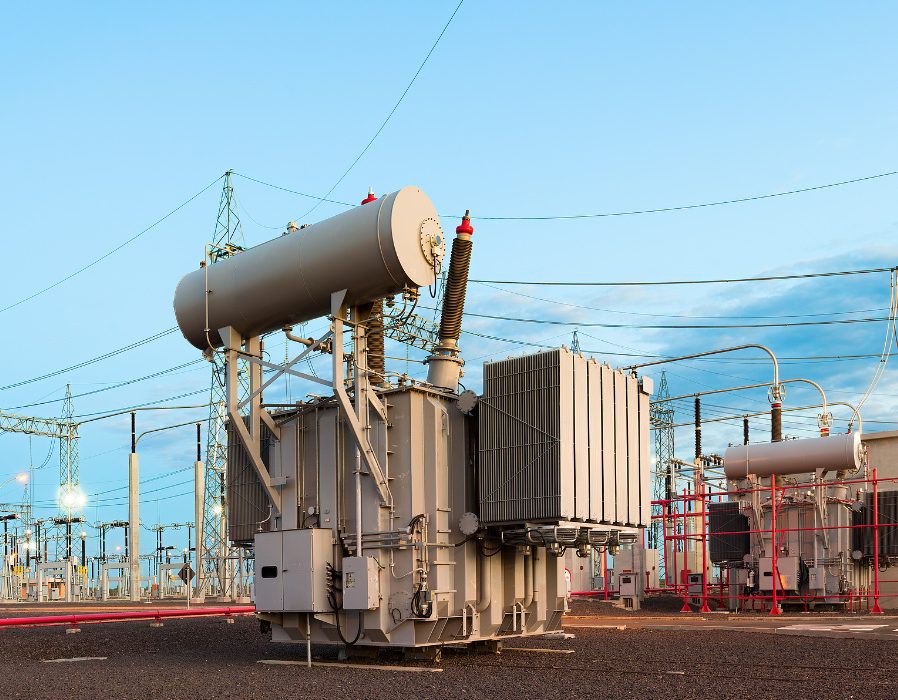
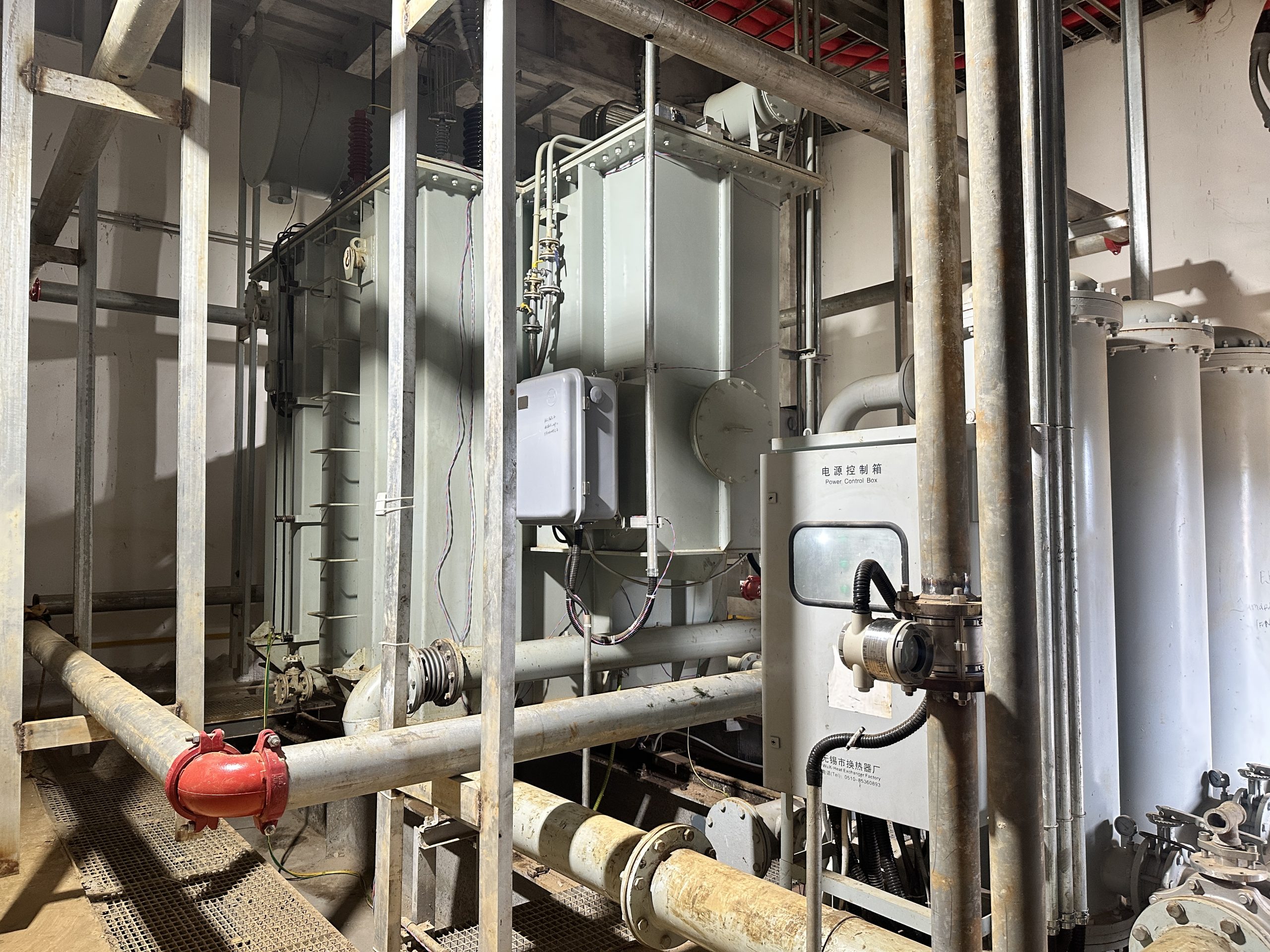
As a custom distribution transformer manufacturer, Xintebian engineered and deployed specialized oil-immersed furnace transformers equipped with reinforced copper interleaved windings and an enhanced ONAF cooling system. The redesign incorporated dual-stage external heat exchangers and fiber-optic temperature sensors embedded directly into the high-stress winding areas. This direct thermal monitoring enabled real-time cooling adjustments, eliminating overheating incidents and ensuring continuous 24/7 smelting operations.
Selecting the correct cooling medium is critical for maintaining thermal stability in heavy industrial applications. Evaluating dry type vs oil immersed power transformer efficiency dictates the long-term viability of the installation.
Oil-Immersed Transformers
Pros: Unmatched thermal capacity and heat dissipation rates. Mineral or synthetic ester oil absorbs and transfers high internal heat away from core windings rapidly, making it the only viable medium for continuous-duty furnace transformers and large-scale Heavy Industrial Manufacturing.
Cons: Requires external cooling radiators, conservator tanks, and secondary oil containment bunds to comply with environmental and safety regulations.
Dry Type Transformers
Pros: Eliminates flammable insulating fluids, making them ideal for indoor Substations and Data Centers.
Cons: Limited thermal mass and cooling efficiency. Dry-type units cannot dissipate the extreme heat generated by heavy electric arc furnaces, restricting their use to lower-capacity auxiliary power distribution.
“In heavy metallurgy, thermal management is not an afterthought; it is the core design constraint. When sourcing equipment from an industrial power transformer supplier, plant engineers must look beyond nominal kVA ratings. A furnace transformer must be engineered with massive thermal inertia and reinforced winding structures to survive the violent, cyclical short-circuit impacts of electric arc furnaces without suffering cumulative thermal degradation.” — Senior Electrical Design Engineer, Xintebian.
How to choose a power transformer for industrial use?
Choosing an industrial power transformer requires calculating your peak continuous load, analyzing the harmonic profile of your machinery, and assessing ambient temperature extremes. Non-linear loads like electric arc furnaces require custom furnace transformers with robust thermal management and reinforced mechanical bracing. Always consult directly with a qualified industrial power transformer supplier to match impedance voltage and vector groups to your facility’s operational requirements.
What is the best oil-immersed transformer for outdoor substations?
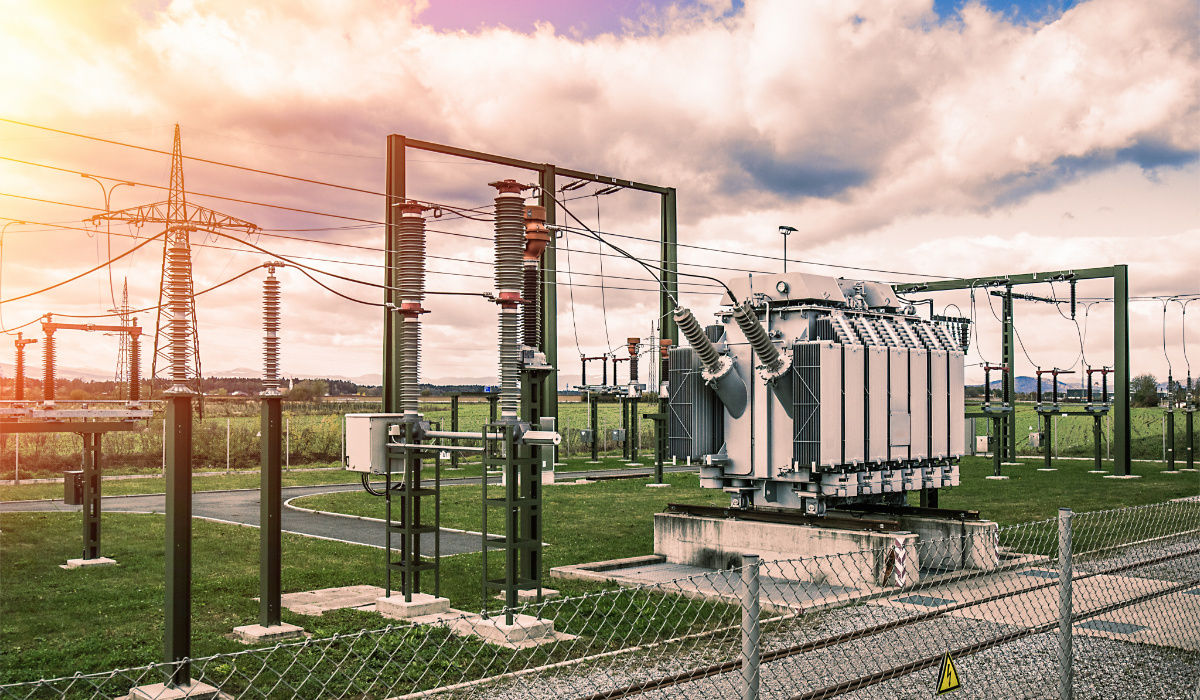
The best oil-immersed transformer for outdoor substations features a hermetically sealed tank construction with heavy-duty corrugated cooling fins or detachable radiators. It must be built with high-grade grain-oriented silicon steel to minimize core losses, and coated with C5 marine-grade paint to withstand harsh outdoor weathering and industrial pollution.
When should a facility contract a custom high voltage step-down transformer manufacturer? You should partner with a custom high voltage step-down transformer manufacturer whenever your operational voltage, physical installation footprint, or electrical load profile falls outside standard off-the-shelf utility specifications—such as powering specialized hydrogen electrolysers, heavy industrial furnaces, or large-scale renewable energy substations.