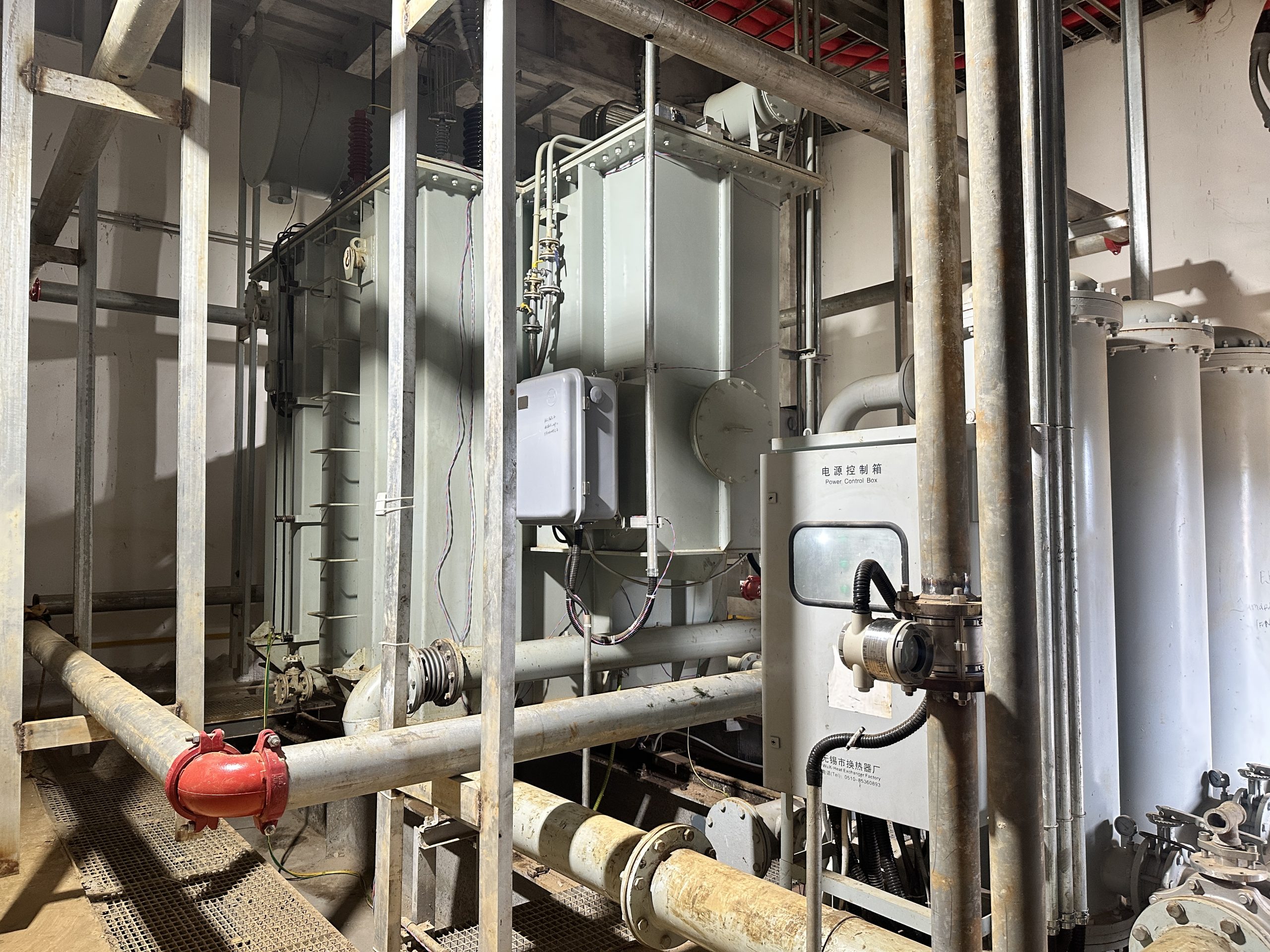
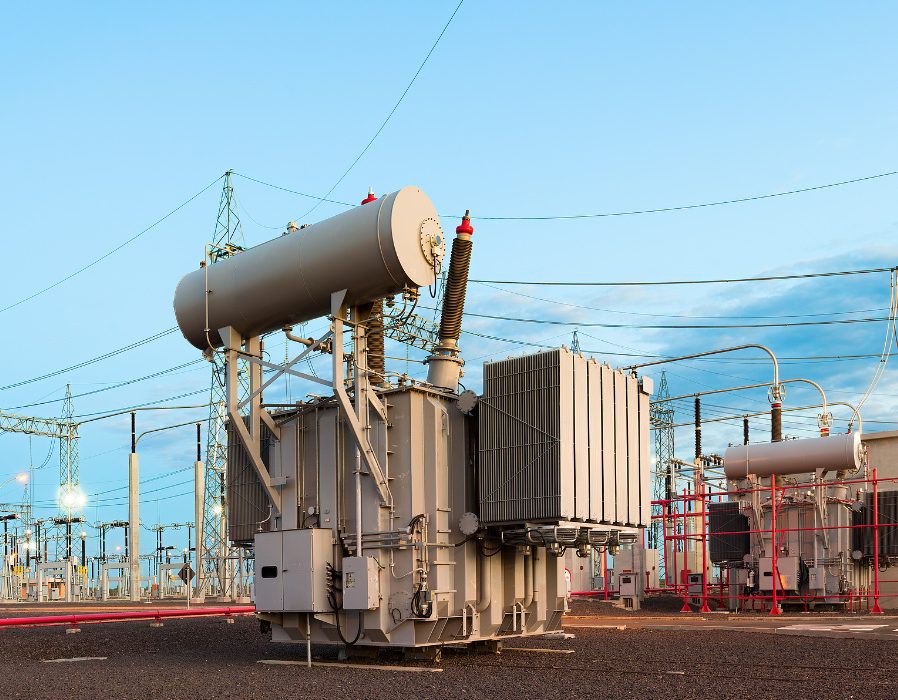
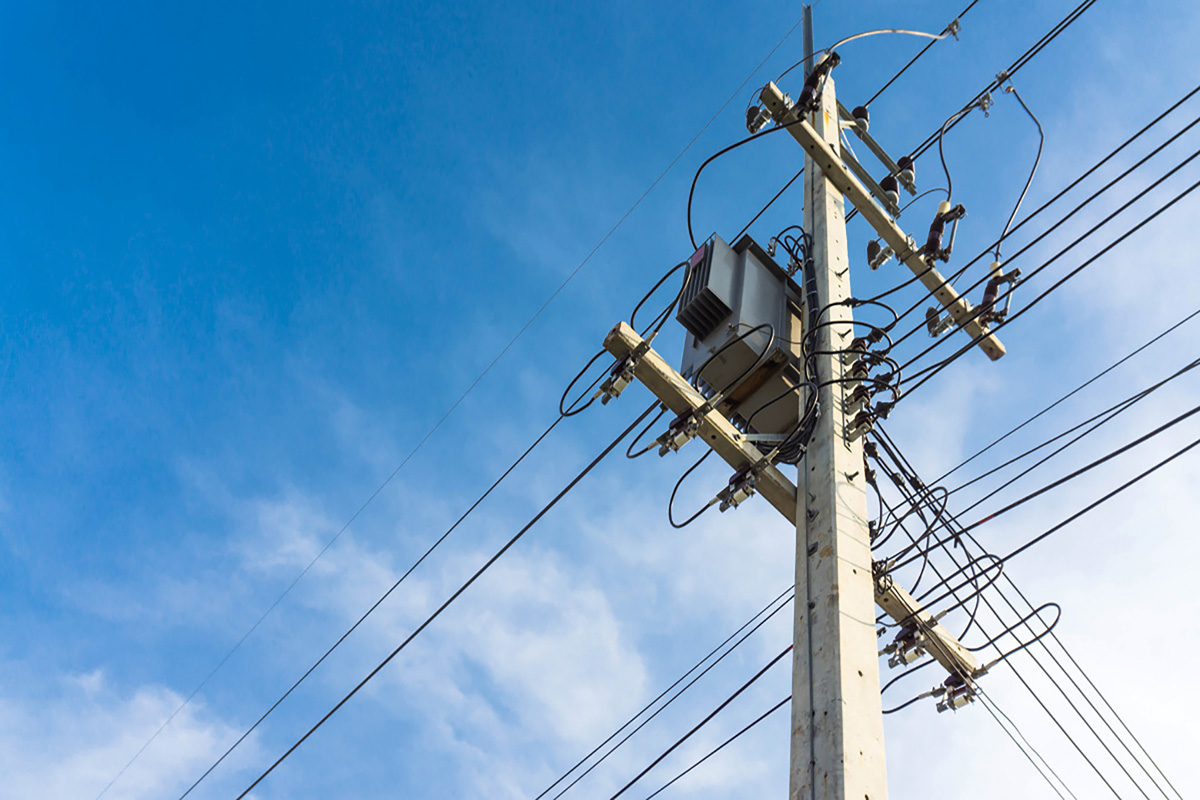
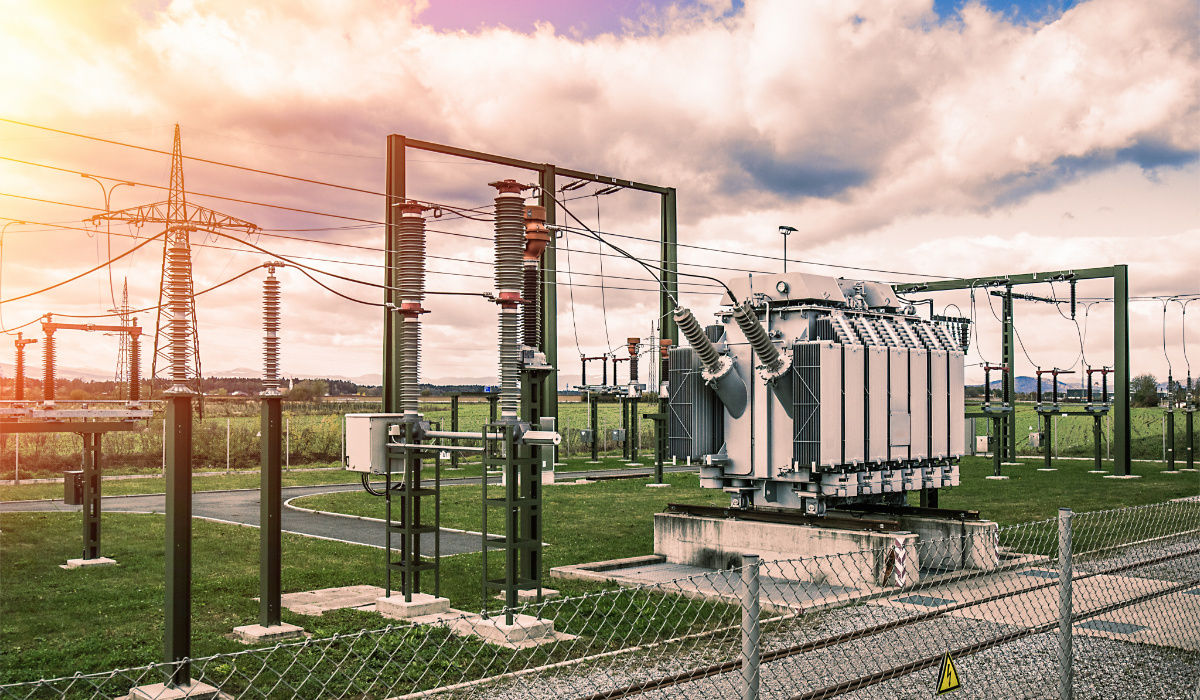
As global power distribution expands across the Middle East, Southeast Asia, and Belt and Road Initiative (BRI) corridors, urban and industrial planners face unique environmental and spatial constraints. Deploying distribution equipment in high-density urban areas, commercial parks, and renewable energy sites requires strict adherence to safety clearances and physical protection standards.
Xintebian provides specialized high voltage transformer solutions engineered to meet international safety codes and regional environmental demands. Our manufacturing capabilities support Power Grid Infrastructure, Renewable Energy (Solar & Wind) Plants, Heavy Industrial Manufacturing, Substations, and Data Centers. This technical guide outlines clearance requirements and safety protocols for pad-mounted transformers, adapting baseline engineering standards to international project sites.
Clearance Requirements and Spatial Parameters (Data Table)
Pad-mounted transformers combine high-voltage switching and transformation in a secure, tamper-proof steel enclosure. When installing these units near buildings, walkways, or property lines in international commercial and industrial zones, engineers must enforce precise horizontal and vertical clearance buffers.
| Clearance Category |
Standard Industrial Specification |
Engineering Objective |
| Building Wall Clearance (Front) |
Minimum 3.0 to 3.5 meters |
Ensures safe operational access for technicians, hot-stick operation, and cable splicing. |
| Side and Rear Clearance |
Minimum 1.0 to 1.5 meters |
Facilitates adequate airflow for convective cooling and prevents thermal bridging against walls. |
| Window / Door Proximity |
Minimum 3.0 meters away from operable openings |
Prevents arc flash or gas venting hazards from entering occupied commercial or residential structures. |
| Vegetation & Obstruction Buffer |
Minimum 2.0 meters clear radius |
Eliminates fire risks from foliage and maintains unrestricted cooling fin ventilation in hot climates. |
Application Case: Urban Distribution in Southeast Asian Industrial Parks
A major industrial zone development in Southeast Asia required underground-fed power distribution to eliminate overhead lines vulnerable to regional monsoon storms and high humidity. The project engineers specified a network of tamper-proof pad-mounted transformer units to distribute medium-voltage power across commercial blocks and manufacturing facilities.
Acting as the custom distribution transformer manufacturer, Xintebian engineered units featuring corrosion-resistant C5-grade marine paint, sealed tank construction to prevent moisture ingress, and localized footprint designs matching tight urban clearance constraints. The deployment successfully delivered stable low-voltage power while maintaining required safety buffer zones from pedestrian walkways and building facades.
Pros & Cons Analysis: Dry Type vs Oil Immersed Power Transformer Efficiency
Selecting the correct enclosure and cooling configuration for outdoor pad-mounted or suburban substation installations requires evaluating dry type vs oil immersed power transformer efficiency under varying regional climates, such as the extreme ambient temperatures of the Middle East.
Pad-Mounted / Oil-Immersed Distribution Transformers
-
Pros: Exceptional thermal performance and high dielectric strength. Hermetically sealed oil-immersed units are well-suited for outdoor pad-mounted enclosures, offering high overload capacity and reliable operation in high ambient temperature zones.
-
Cons: Requires periodic inspection of seals and insulating fluid integrity. Must be installed with proper oil containment features if located near sensitive ecological or drainage areas.
Dry Type Transformers
-
Pros: Eliminates combustible insulating fluids entirely, making them the standard choice for indoor substations, basement installations, and high-density commercial complexes.
-
Cons: Limited thermal capacity and physical cooling limits make them impractical for standard outdoor pad-mounted installations exposed to extreme solar radiation in desert climates.
Expert Opinion: Sourcing for International Infrastructure
“When supplying electrical equipment to rapidly developing regions across the Middle East and Southeast Asia, environmental durability is just as critical as electrical efficiency. When selecting an industrial power transformer supplier, procurement teams must verify that the manufacturer can customize enclosure protection classes, anti-corrosion coatings, and thermal derating margins to withstand local desert heat or tropical humidity without compromising standard safety clearances.” — Senior Electrical Systems Engineer, Xintebian.
How to choose a power transformer for industrial use?
Choosing an industrial transformer requires calculating peak continuous load, evaluating ambient environmental extremes (such as high humidity or high ambient temperatures), and defining the installation footprint. For urban or commercial distribution, a pad-mounted transformer provides secure, enclosure-protected transformation. Always collaborate directly with an industrial power transformer supplier to specify exact impedance voltages, vector groups, and safety clearance requirements.
What is the best oil-immersed transformer for outdoor substations?
For outdoor and pad-mounted installations, the best oil-immersed transformer features a hermetically sealed corrugated tank design, high-grade silicon steel cores to minimize no-load losses, and specialized heavy-duty anti-corrosion exterior coatings suitable for harsh regional climates.
Where can I source custom high voltage equipment for Belt and Road projects?
Partnering directly with an established custom high voltage step-down transformer manufacturer ensures full compliance with international standards (such as IEC or IEEE) and custom engineering support for regional grid specifications across the Middle East, Southeast Asia, and Belt and Road Countries.