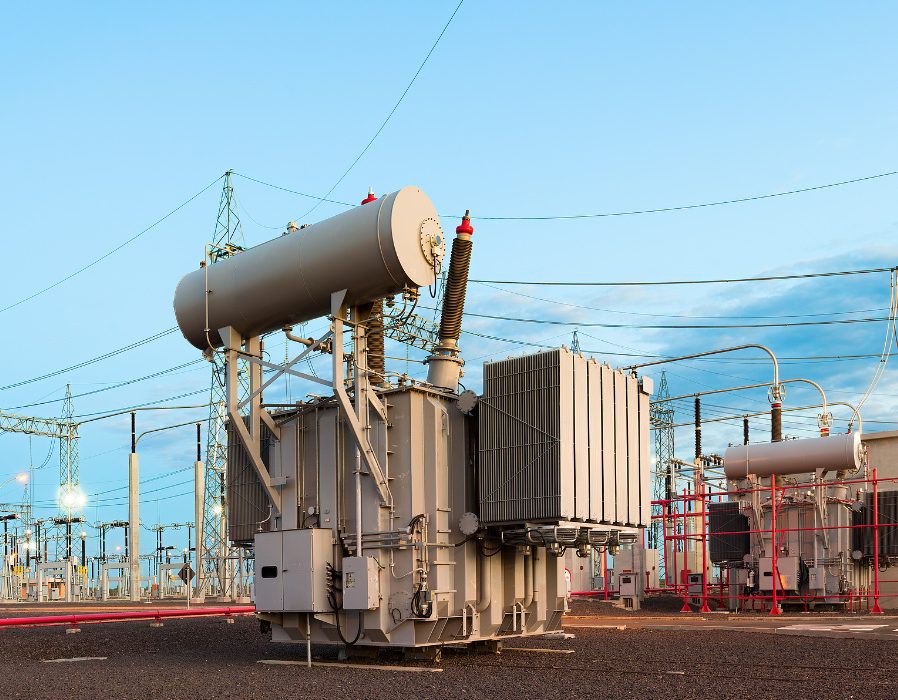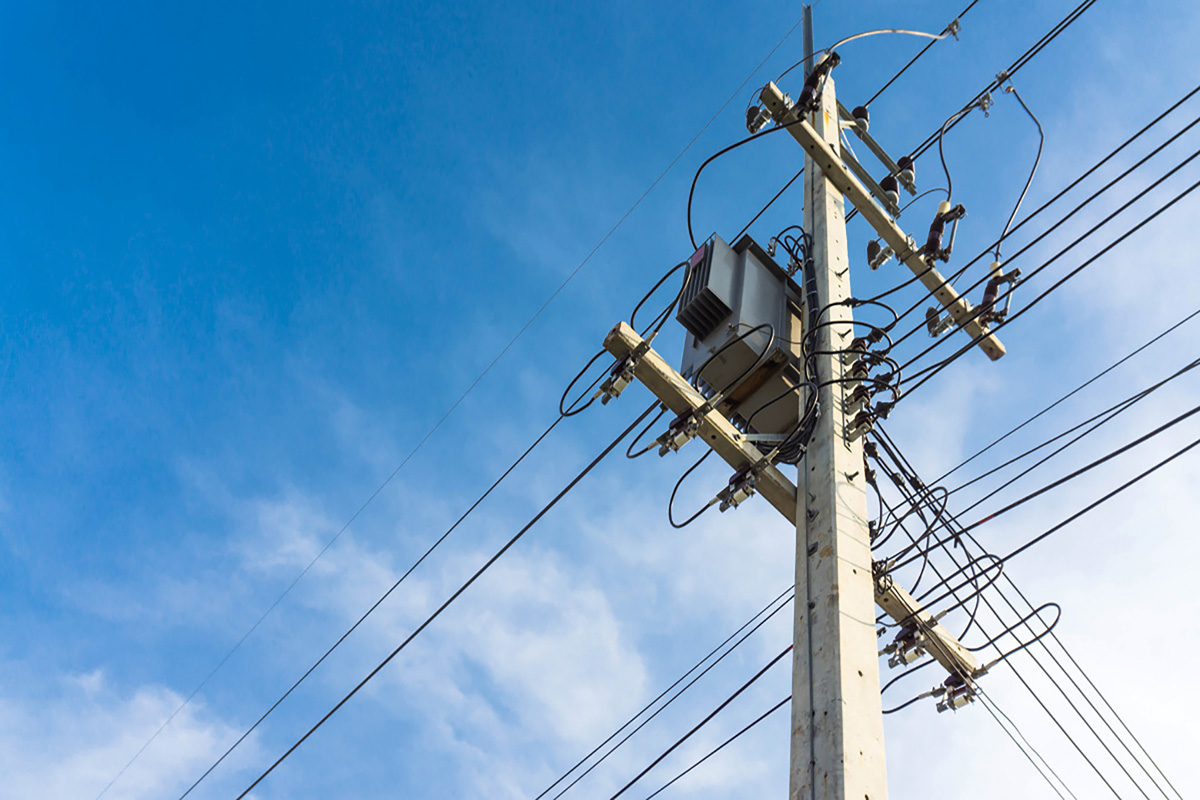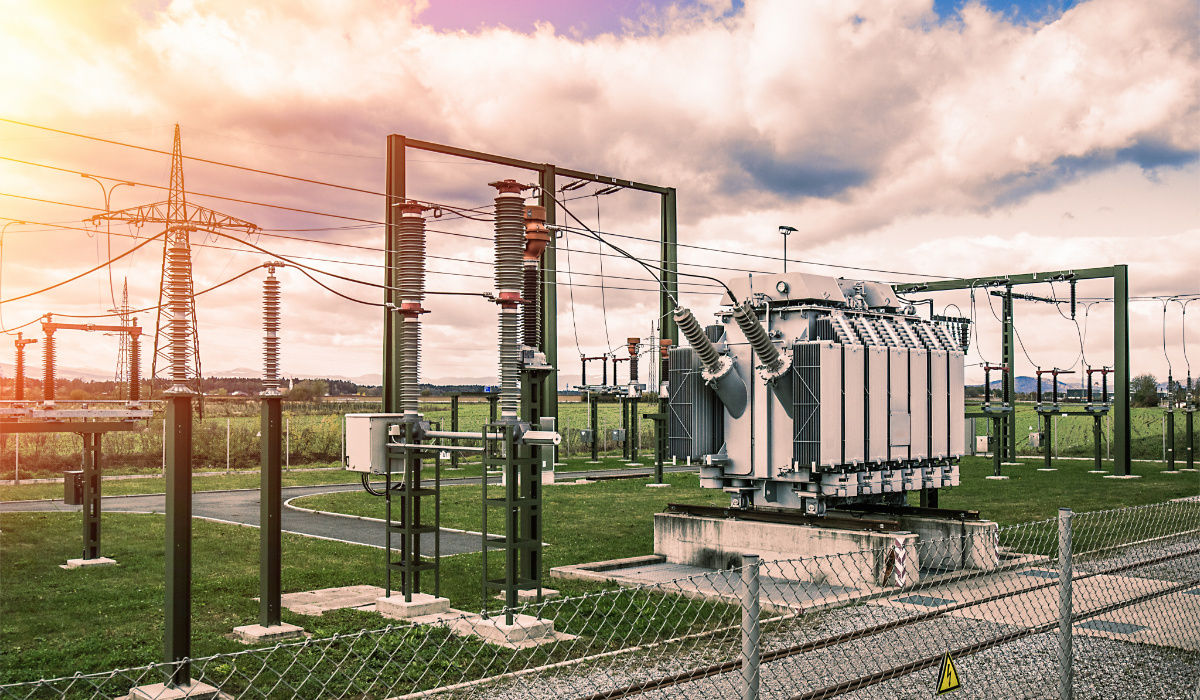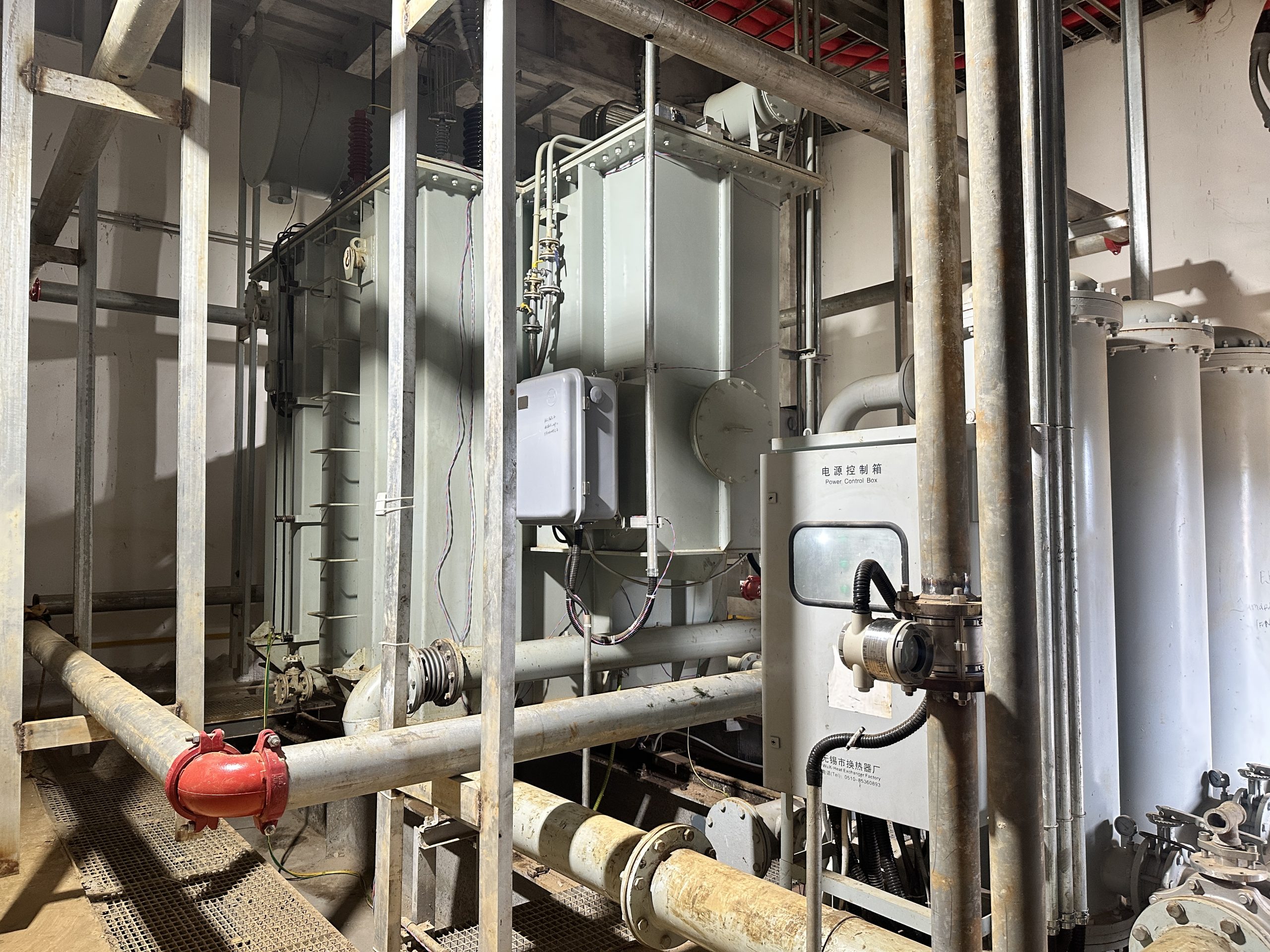
Powering Heavy Metallurgy: The HTDSPZ-24000/33 Furnace Transformer at the CNI-Nickel-Iron Smelting Project
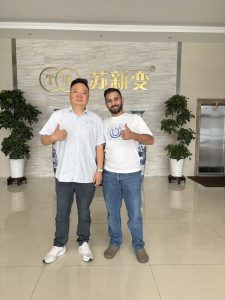
Matching electrical equipment to local grid conditions and coastal environments requires clear communication and exact engineering specifications. Recently, Xintebian worked directly with a buyer from Lebanon to supply a customized 11kV 2000kVA oil-immersed distribution transformer tailored for their local commercial distribution network.
Below is a breakdown of the technical requirements, design decisions, and manufacturing choices made for this project.
The client required a heavy-duty distribution unit capable of continuous operation under fluctuating load conditions and humid Mediterranean weather. After evaluating the site parameters, our engineering team finalized the manufacturing specs based on the S11 model architecture.
| Specification Parameter | Design Value / Material Choice |
| Model | S11-2000/11-0.4 |
| Rated Capacity | 2000 kVA |
| Primary / Secondary Voltage | 11 ± 2×2.5% / 0.4 kV |
| Winding Material | High-Conductivity Electrolytic Copper (HV & LV) |
| Vector Group | Dyn11 |
| Cooling Method | ONAN (Oil Natural Air Natural) |
| Tank Dimensions (L×W×H) | 1950 × 1900 × 2028 mm |
| Exterior Treatment | Double-Layer Epoxy Anti-Corrosion Paint |
For this 2000kVA unit, 100% high-grade copper was selected for both the high-voltage (11kV) and low-voltage (0.4kV) windings. Compared to aluminum alternatives, copper provides lower electrical resistivity and higher short-circuit withstand capabilities. This reduces internal load losses (no-load and load loss) and lowers heat generation within the core and coil assembly, extending the operating life of the transformer oil and insulation paper.
Lebanon’s coastal areas expose outdoor electrical installations to salt spray and atmospheric moisture. Standard enamel or single-coat paint degrades quickly under these conditions, leading to rust on the steel tank surface.
To prevent surface oxidation and oil leak risks:
The steel tank undergoes sandblasting to clean the metal surface to ISO standards.
A two-layer epoxy anti-corrosion coating is applied directly to the tank exterior. The primer layer seals the metal against moisture, while the epoxy topcoat provides UV resistance and mechanical durability.
The primary winding features a ±2×2.5% off-circuit tap changer (OCTC). This allows operators to manually adjust the turn ratio to compensate for grid voltage fluctuations typical in regional power systems. The Dyn11 vector group connection handles unbalanced loads on the 0.4kV secondary side and dampens third-harmonic currents, keeping the neutral point stable for residential and commercial connections.
The transformer uses an Oil Natural Air Natural (ONAN) cooling system. The natural circulation of transformer oil absorbs heat from the core and windings, dissipating it through exterior corrugated radiator panels. Because ONAN relies on passive thermal convection without external fans or pumps, maintenance needs stay low throughout the transformer’s lifespan.
Before dispatching transformer equipment to international markets, every unit built at the Xintebian manufacturing facility undergoes routine testing in compliance with IEC 60076 standards, including:
Winding resistance measurement
Voltage ratio and vector group verification
Short-circuit impedance and load loss testing
Applied AC voltage and induced overvoltage withstand tests
Oil leak detection tests under pressure
Xintebian (tstrafo.com) manufactures standard and custom distribution transformers, dry-type transformers, and specialized power equipment for global markets. Whether you need specific vector configurations, custom enclosure paints, or precise primary/secondary voltages, our engineering team works directly with you from drawing confirmation to final delivery.
Contact our sales engineering team via tstrafo.com to review your project specifications or request an itemized quotation.
Q1: What are the main efficiency advantages of the S11 model transformer compared to older S9 series?
A. The S11 series utilizes improved high-permeability silicon steel laminations and optimized core stacking techniques. Compared to legacy S9 units, the S11 model reduces no-load losses by approximately 20% to 30% and significantly lowers operational acoustic noise, making it more cost-effective for continuous distribution networks.
Q2: Why choose 100% copper windings over aluminum for a 2000kVA distribution transformer?
A. Copper possesses significantly lower electrical resistivity and higher thermal conductivity than aluminum. For high-capacity units like 2000kVA, copper windings offer superior short-circuit withstand capabilities, lower internal load losses, and better mechanical strength during load surges. This reduces long-term operational costs and thermal stress on the transformer oil.
Q3: How does the Dyn11 vector group benefit local low-voltage power distribution?
A. The Dyn11 connection scheme allows single-phase load currents to circulate within the primary delta winding. This mitigates neutral point displacement on the 0.4kV secondary side, effectively handling unbalanced residential or commercial loads while suppressing third-harmonic voltage distortion across the network.
Q4: How does Xintebian protect oil-immersed transformers operating in coastal or high-humidity regions?
A. For coastal environments (such as the Mediterranean region), standard paint finishes degrade rapidly under salt spray exposure. Xintebian applies a multi-stage surface preparation followed by a two-layer epoxy anti-corrosion coating on the outer tank. This seal protects structural steel against oxidation, rust, and chemical weathering.
Q5: What quality testing is performed on the S11-2000/11-0.4 transformer before shipment?
A. Every transformer manufactured at Xintebian undergoes mandatory routine factory testing according to IEC 60076 standards prior to packing, including:
Winding resistance and insulation resistance measurements
Voltage ratio and vector group verification
No-load loss and load loss testing at rated current
Applied AC voltage and induced overvoltage withstand testing
Transformer tank pressure leak detection