Powering Heavy Metallurgy: The HTDSPZ-24000/33 Furnace Transformer at the CNI-Nickel-Iron Smelting Project
Large-scale water electrolysis for green hydrogen production demands precise direct-current (DC) power delivery under continuous, heavy-duty industrial operating conditions. Unlike standard utility power distribution networks, industrial electrolyzer plants subject electrical equipment to non-linear loads, high harmonic distortions, and severe thermal stress.
To address these electrical engineering challenges in the Uzbekistan ACWA Water Electrolysis for Hydrogen Production Project, Xintebian designed and manufactured the ZHSFT-13220/35 hydrogen-production rectifier transformer. As an established industrial power transformer supplier and custom high voltage step-down transformer manufacturer, Xintebian engineered this unit specifically to interface between high-voltage grid substations and multi-MW electrolyzer power stacks.
The Uzbekistan green hydrogen initiative represents one of Central Asia’s premier industrial decarbonization projects. The facility requires constant high-current, low-voltage DC power to drive its multi-megawatt water electrolysis units. The local incoming power grid infrastructure operates at high voltage levels (35kV to 110kV class), requiring dedicated stepping down and phase-shifting capabilities before rectification.
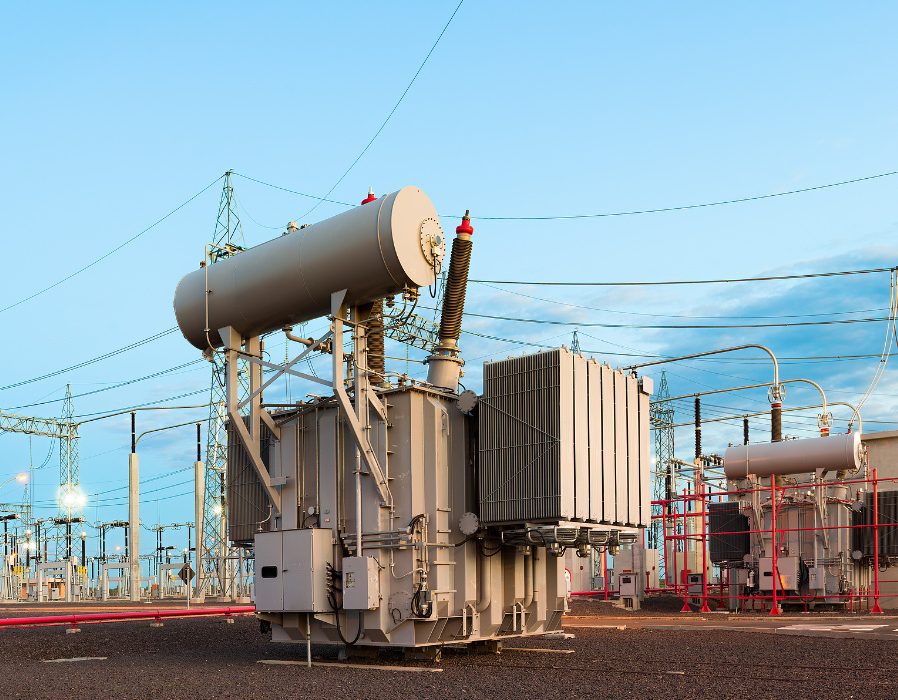
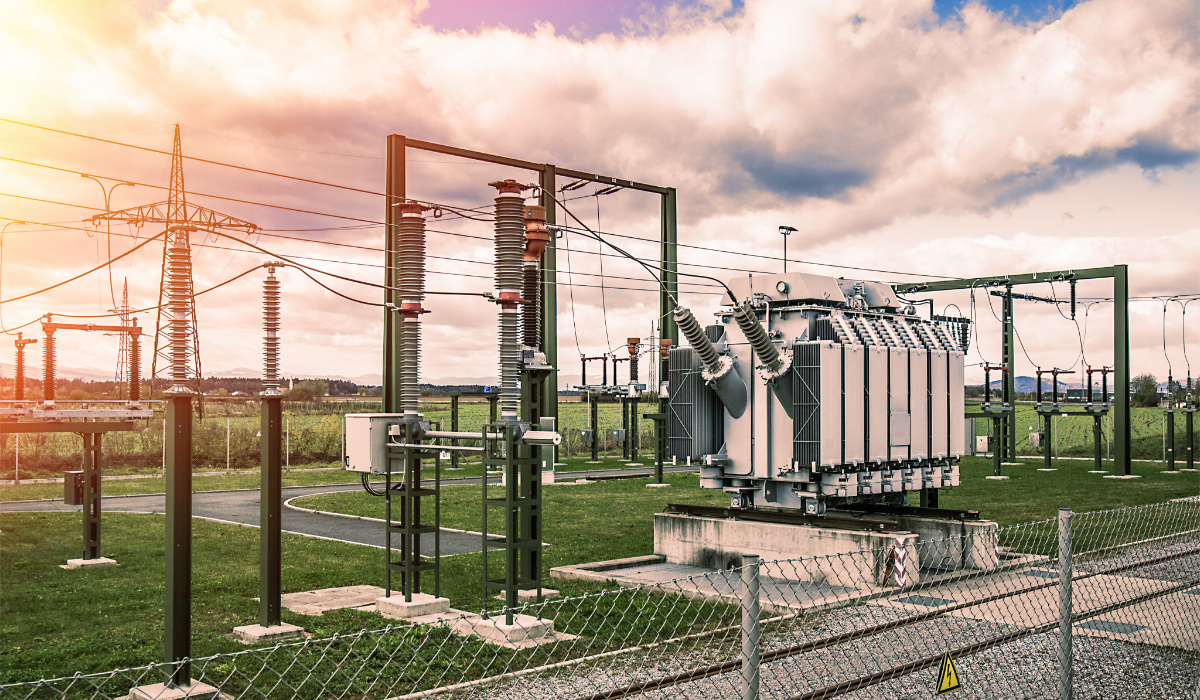
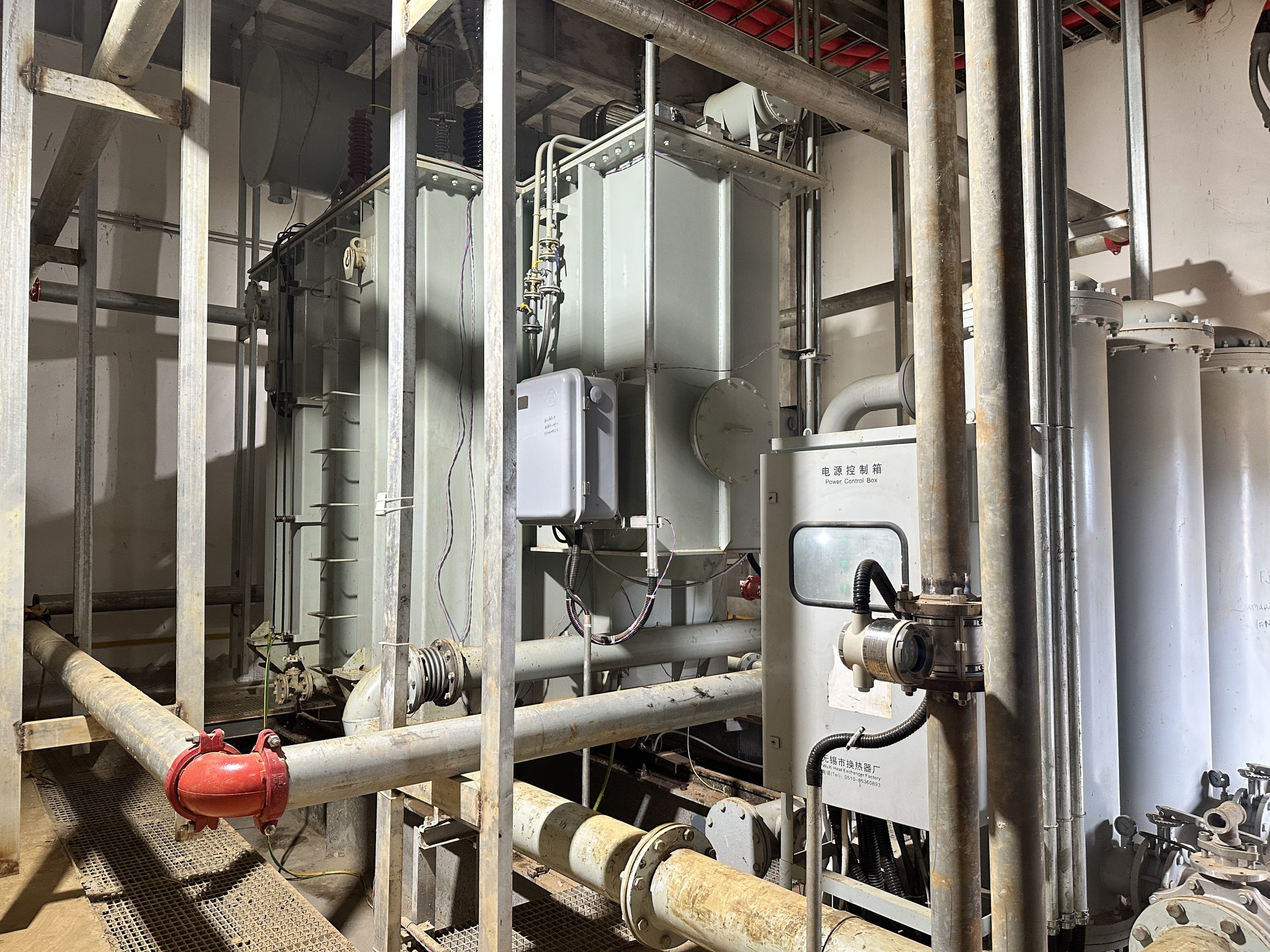
Xintebian supplied the specialized ZHSFT-13220/35 Rectifier Transformer to power the ACWA water electrolysis stacks. Designed as a heavy-duty oil-immersed transformer, the unit incorporates multi-winding phase shifting to feed 12-pulse or 24-pulse thyristor/diode rectifier systems. This design cancels low-order current harmonics directly at the transformer secondary windings, preventing harmonic pollution from leaking back into the upstream regional power grid.
Key project operational highlights include:
Continuous Heavy Load Duty: Thermal insulation designed for continuous operation at 100% rated load with overload margins for load fluctuations in renewable energy supply (solar and wind plants).
Harmonic Suppression: Integrated phase-shift secondary windings reduce total harmonic distortion (THD) without relying solely on external active filter banks.
Mechanical Short-Circuit Strength: Reinforced coil bracing withstands rapid current surges typical of electrolysis stack operations.
| Parameter | Specification / Rating | Engineering Context & Application |
| Transformer Model |
ZHSFT-13220/35 |
Specialized Rectifier Transformer for Electrolysis |
| Project Reference |
ACWA Uzbekistan Hydrogen Project |
Large-scale Water Electrolysis Facility |
| Cooling Method |
ONAN / ONAF Heavy Duty |
Designed for harsh outdoor substation environments |
| Primary Voltage |
35 kV (or 110 kV option) |
Direct interface with high voltage power grid infrastructure |
| Secondary Configuration |
Multi-winding Phase Shifted |
Enables 12-pulse / 24-pulse low-harmonic rectification |
| Efficiency Rating |
> 99.1% at rated load |
Low load loss design for continuous industrial operation |
| Insulation Class |
Class A Oil-Immersed / Custom High-Temp |
High dielectric strength for heavy industrial manufacturing |
| Applicable Standards |
IEC 60076, IEEE C57.18.10 |
Meets global standards for power and rectifier units |
Selecting the best power transformer supplier involves evaluating the trade-offs between liquid-filled and dry-type insulation systems based on installation site requirements.
Oil-immersed power transformer units use mineral oil or natural ester fluid for insulation and heat transfer.
Pros: Superior cooling capacity under continuous heavy loads; higher thermal overload tolerance; self-healing dielectric fluid; ideal for outdoor substations, heavy industrial manufacturing, solar & wind plants, and high voltage transformer solutions.
Cons: Requires environmental oil containment bunds; demands periodic oil sampling and dissolved gas analysis (DGA).
Verdict: The best oil-immersed transformer for outdoor substations remains the primary choice for MVA-scale electrolysis and high-voltage grid interfaces.
Dry type transformer units utilize cast resin or vacuum pressure impregnated (VPI) insulation.
Pros: Highly flame-retardant; zero risk of oil leaks; ideal for indoor installation, commercial facilities, indoor substations, and data centers.
Cons: Lower heat dissipation coefficient compared to oil; higher initial cost per MVA at ratings above 35kV; lower surge voltage capacity under extreme outdoor weather.
Efficiency Comparison: When analyzing dry type vs oil immersed power transformer efficiency, oil-immersed units generally deliver 0.3% to 0.8% higher full-load efficiency at high MVA capacities due to cooler core operating temperatures.
When selecting custom high voltage step-down transformer manufacturer solutions for industrial applications, power engineering teams should evaluate four primary criteria:
Duty Cycle and Load Type: Identify whether the load is linear (utility distribution) or non-linear (electric arc furnace transformers, electrolysis rectifiers, or variable frequency drives). Non-linear loads require K-factor ratings or specialized phase-shift windings.
Installation Environment: Outdoor utility yards and renewable plants require oil-immersed transformers or pad-mounted transformer enclosures designed for IP55/NEMA 3R weather protection. Indoor substations or data centers typically opt for dry-type units.
Harmonic Tolerances: For industrial plants utilizing high-power rectifiers, verify that the transformer secondary winding structure supports multi-pulse configuration (12, 18, or 24-pulse) to minimize grid-side harmonic voltage distortion.
Mobility & Site Deployment: For temporary power grids or mobile mining operations, consider specialized vehicle-mounted transformer units for rapid deployment.
“Electrolysis applications present a distinct challenge compared to standard grid distribution transformers. The secondary windings carry massive low-voltage currents—often tens of thousands of amperes—which generate intense stray magnetic fields and localized thermal hot spots. On the ACWA Uzbekistan ZHSFT-13220/35 project, our engineering team integrated transposed copper conductors and non-magnetic internal structural shielding. This design controls eddy current losses, keeps hot-spot temperatures well within IEC limits, and guarantees 24/7 continuous operation for green hydrogen production.”
— Chief Engineer, Heavy Industrial Transformer Division at Xintebian
A: Model ZHSFT-13220/35 features specialized phase-shifting secondary windings and extra mechanical clamping to handle the continuous high-current, DC-rectified load demand of water electrolyzer stacks without thermal degradation or excessive harmonic feedback to the primary power grid.
A: Large-scale water electrolysis plants demand tens of megawatts of continuous power. Oil-immersed transformers provide higher thermal dissipation efficiency, greater dielectric endurance, and superior protection against harsh outdoor climate conditions compared to dry-type alternatives.
A: Yes. Xintebian designs and manufactures a complete portfolio of power equipment, including power transformer units, distribution transformer systems, pad-mounted transformer units for solar/wind farms, furnace transformer models for steelmaking, and vehicle-mounted transformer units for mobile sub-stations.
A: Custom industrial units can be equipped with On-Load Tap Changers (OLTC) or Off-Circuit Tap Changers (OCTC). This allows precise primary-side voltage adjustments to maintain stable secondary voltage levels despite grid fluctuations or changing electrolyzer stack resistance.