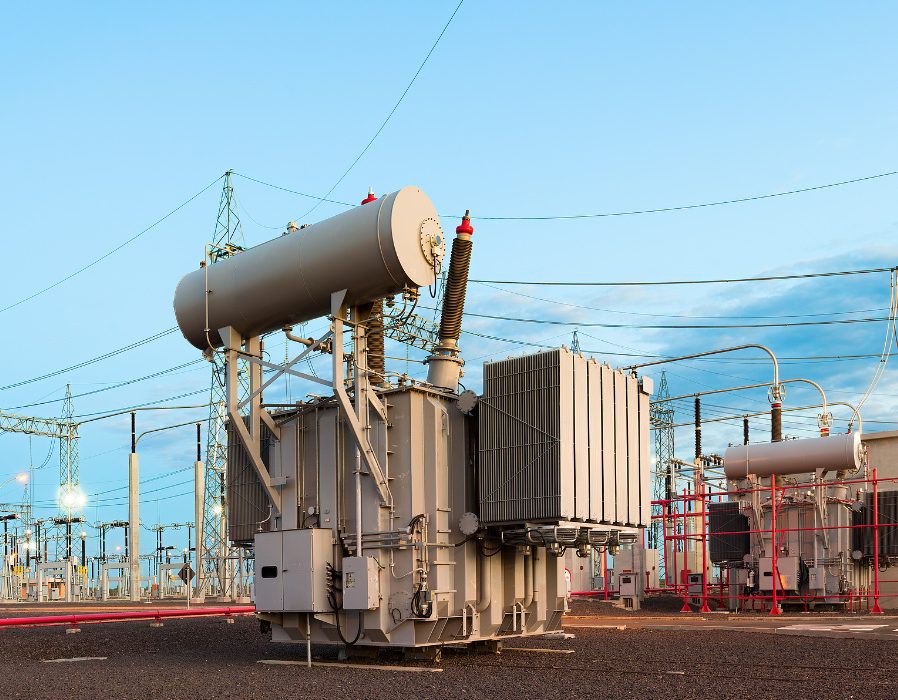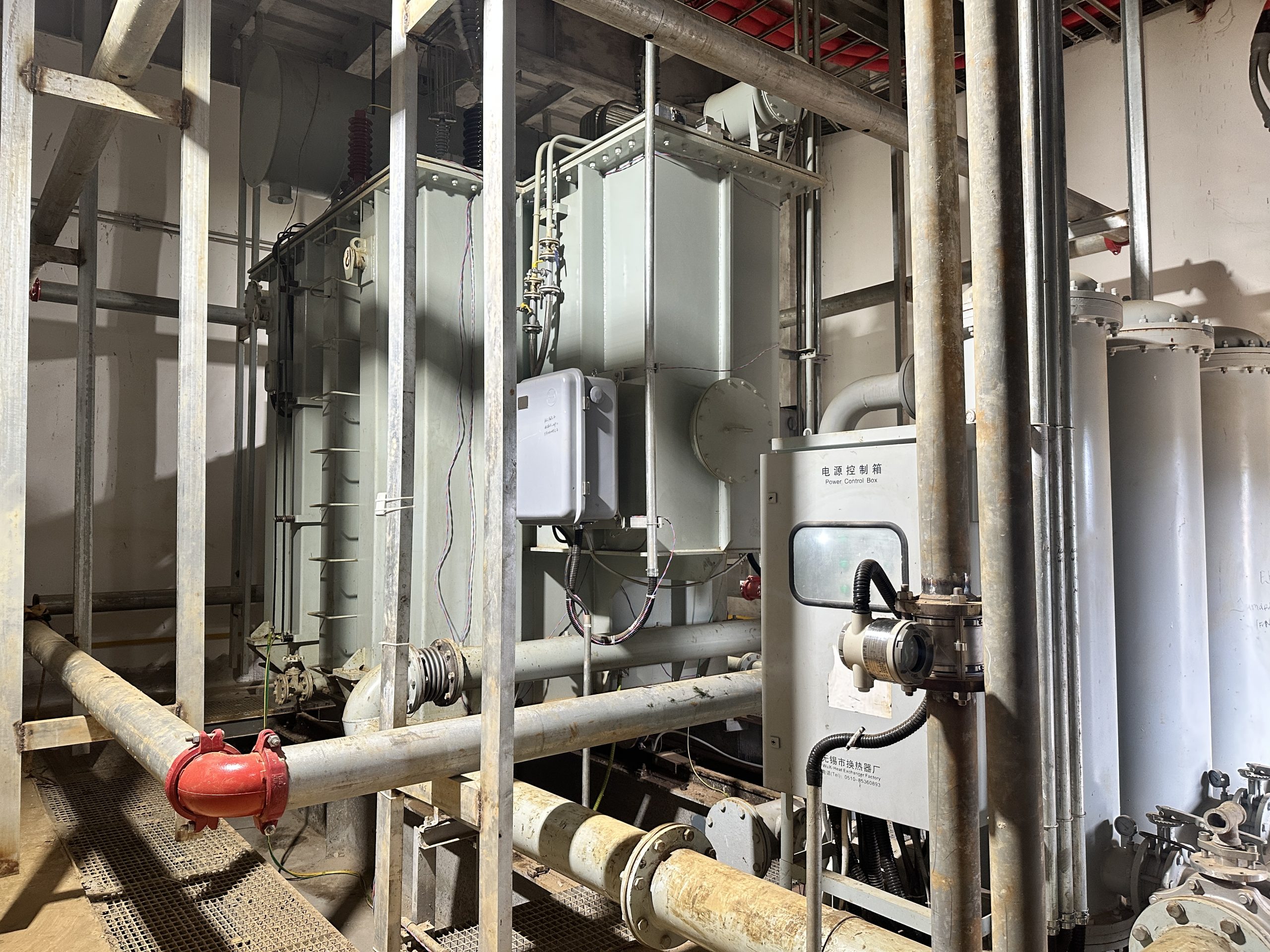
Powering Heavy Metallurgy: The HTDSPZ-24000/33 Furnace Transformer at the CNI-Nickel-Iron Smelting Project
Hydrogen production via water electrolysis requires massive DC power, which is achieved by converting AC grid power through rectifiers. This non-linear rectification process injects significant harmonic currents back into the electrical system, causing severe thermal stress on the power transformer.
Xintebian engineers high voltage transformer solutions tailored for complex load profiles. Our manufacturing facility produces equipment for Power Grid Infrastructure, Renewable Energy (Solar & Wind) Plants, Heavy Industrial Manufacturing, Substations, and Data Centers. This document details the standard engineering methodology for calculating harmonic losses to prevent equipment failure.
Standard alternating current operates at a fundamental frequency (50Hz or 60Hz). Rectifiers create higher-frequency currents (harmonics) that exponentially increase eddy current losses within the transformer windings and core steel.
The calculation relies on the Harmonic Loss Factor (FHL), which multipliers the baseline eddy current loss.
| Harmonic Order (n) | Current Magnitude (I_n / I_1) | Frequency Multiplier | Impact on Eddy Current Losses (P_EC) |
| 5th | 20.0% | 5x | Moderate: Increases winding heating |
| 7th | 14.3% | 7x | High: Requires specific winding geometry |
| 11th | 9.1% | 11x | Severe: Major contributor to localized hot spots |
| 13th | 7.7% | 13x | Severe: Demands core flux derating |
Note: Total Harmonic Distortion (THD) calculations must account for the sum of the squares of these individual harmonic currents.
A recent renewable energy project required a 50MW hydrogen production facility fed directly by a solar array. Standard distribution transformer units cannot handle the 12-pulse rectifier harmonics required for the electrolyser stacks.
Acting as the custom distribution transformer manufacturer, Xintebian supplied specialized oil-immersed transformer units. During the design phase, engineers calculated a maximum FHL of 14.5. To manage the resulting thermal load, the active part design utilized transposed cables for the low-voltage windings to suppress eddy currents, and the core was constructed using high-permeability, cold-rolled grain-oriented silicon steel. This custom engineering ensured the unit operated safely within a 65K temperature rise limit despite the heavy harmonic pollution.
When designing a hydrogen production facility, selecting the correct cooling medium is determined by the harmonic load calculations. Evaluating dry type vs oil immersed power transformer efficiency is a standard engineering step.
Oil-Immersed Transformers
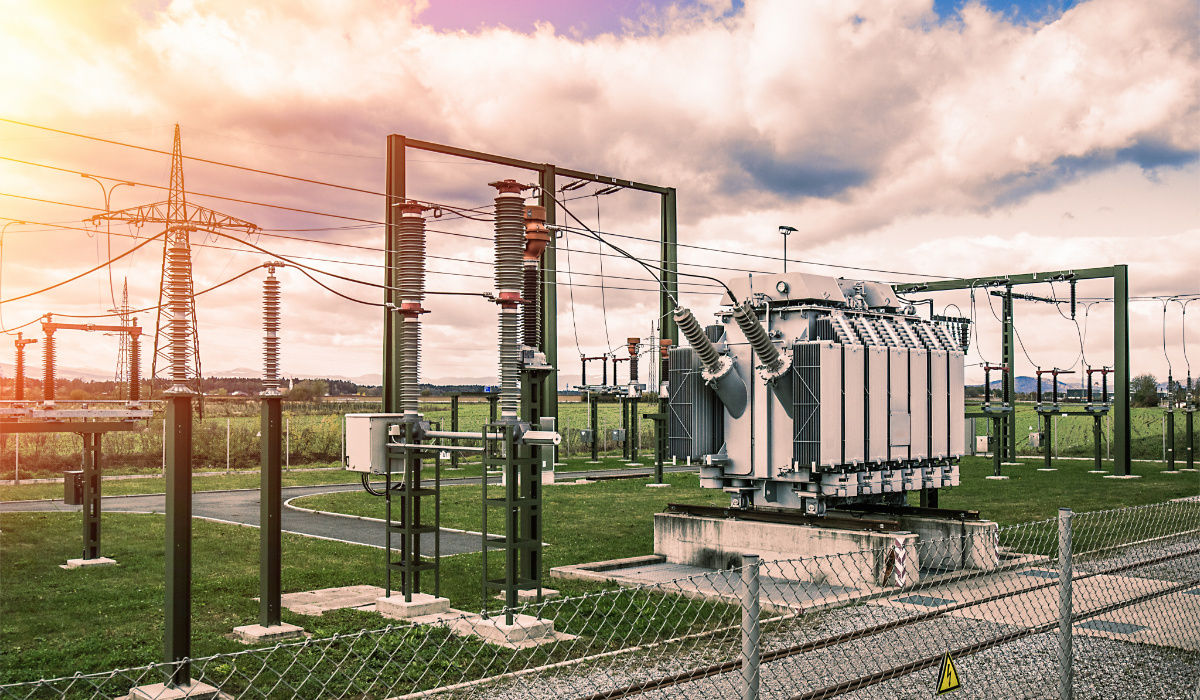
Pros: Superior heat dissipation. Because harmonic losses generate extreme heat, oil circulation (ONAN or ONAF) is the most efficient method to prevent thermal degradation of the insulation. These units are standard for large-scale Renewable Energy (Solar & Wind) Plants.
Cons: Requires physical space for external radiators and environmental protection measures (oil catch basins).
Dry Type Transformers
Pros: Fire-resistant and suitable for indoor rectifiers or Data Centers.
Cons: Highly vulnerable to the localized heating caused by harmonic currents. To manage heavy harmonic losses, a dry type transformer must be heavily derated, requiring a significantly larger physical footprint and higher capital cost compared to an oil-cooled equivalent.
“You cannot install a standard grid transformer in a hydrogen plant. When you calculate the harmonic losses, the localized heating is sufficient to melt standard winding insulation within months. When searching for the best power transformer supplier, plant engineers must verify the factory’s ability to calculate the Harmonic Loss Factor (FHL) accurately and prove their winding design minimizes eddy currents. This is why standard equipment fails, and why heavy industries rely on purpose-built rectifier and furnace transformer units.” — Chief Electrical Engineer, Xintebian.
How to choose a power transformer for industrial use?
For heavy industrial operations, standard capacity sizing is insufficient. You must calculate the exact non-linear load of your machinery. Specify the harmonic spectrum to a qualified industrial power transformer supplier so they can engineer the necessary thermal derating and winding transpositions.
What is the best oil-immersed transformer for outdoor substations?
For outdoor substations, particularly in harsh environments like solar farms, the best unit features a hermetically sealed tank with heavy-duty anti-corrosion coatings. It must be engineered to handle continuous full-load operation and high ambient temperatures without exceeding thermal limits.
How do I find a custom high voltage step-down transformer manufacturer?
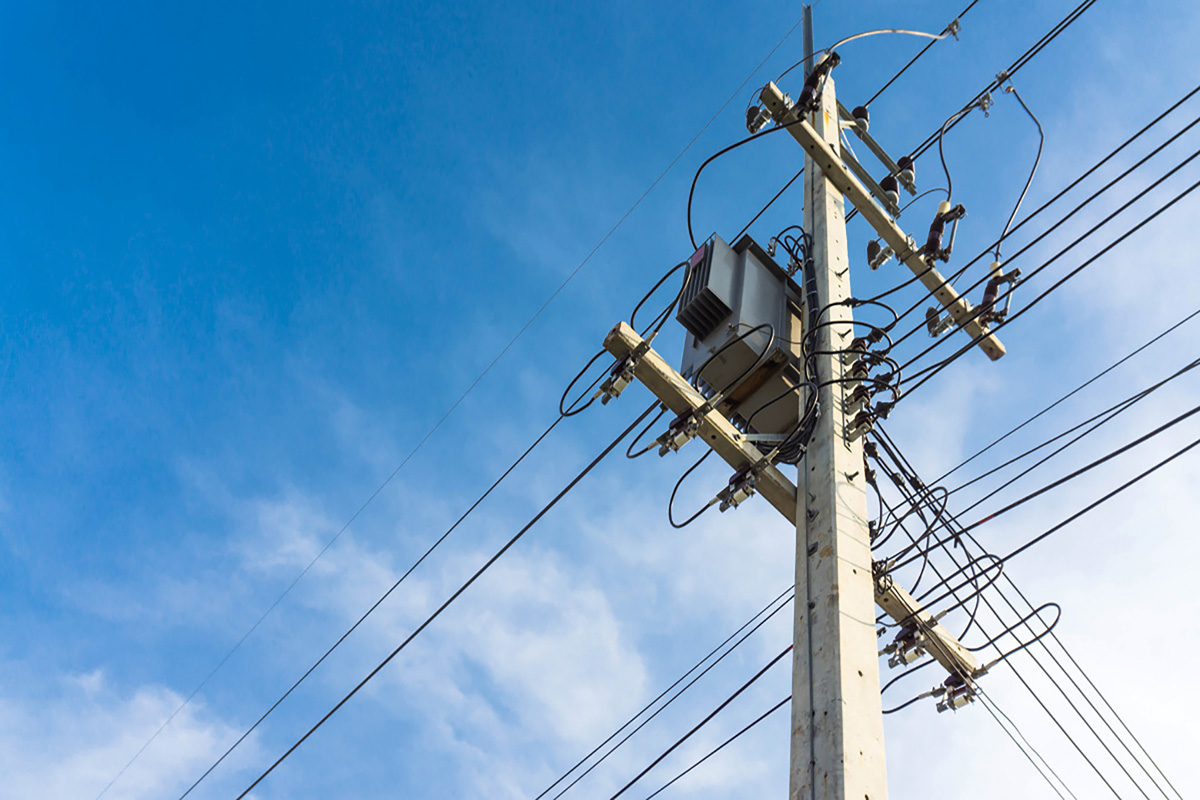
Look for manufacturers with verified production capabilities in specific industrial sectors. A qualified factory will have direct experience building high-stress equipment, such as a furnace transformer for metallurgy, or a vehicle-mounted transformer and pad-mounted transformer for specialized grid deployment. Always request type test reports validating their thermal calculations against harmonic loads.