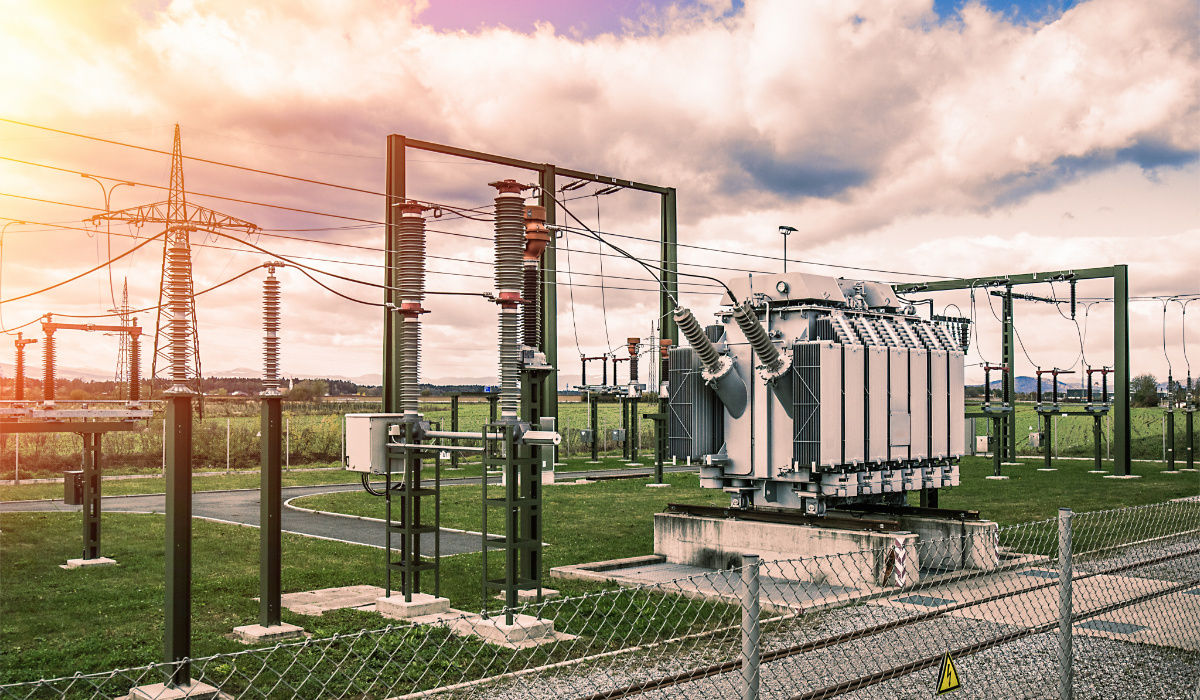
Specifying high-voltage equipment requires strict adherence to international electrical standards. For procurement engineers evaluating a custom distribution transformer manufacturer, the two primary global standards are IEC 60076 (International Electrotechnical Commission) and IEEE C57 (Institute of Electrical and Electronics Engineers).
Xintebian is a manufacturing facility providing custom equipment for Power Grid Infrastructure, Renewable Energy (Solar & Wind) Plants, Heavy Industrial Manufacturing, Substations, and Data Centers. This technical document outlines the fundamental differences between IEC 60076 and IEEE C57 to assist in proper site specification.
Data Table: Core Differences Between IEC 60076 and IEEE C57
When selecting high voltage transformer solutions, engineers must evaluate how each standard approaches thermal limits and mechanical testing.
| Parameter |
IEC 60076 Specification |
IEEE C57 Specification |
Engineering Impact |
| Temperature Rise Limit |
Calibrated based on a maximum ambient temperature of 40°C. |
Calibrated based on an average ambient temperature of 30°C. |
Determines the physical dimensions of the cooling system. |
| Insulation & Impulse Testing |
Focuses heavily on Lightning Impulse (LI) withstand tests. |
Emphasizes Basic Insulation Level (BIL) and chopped wave impulse tests. |
Affects overvoltage safety in storm-prone or heavy load-switching areas. |
| Loss Evaluation |
Evaluates load losses and no-load losses independently. |
Relies on total efficiency performance and Total Cost of Ownership (TCO). |
Impacts operational expenditure and long-term energy audits. |
| Short-Circuit Withstand |
Strict verification procedures for thermal effects and dynamic stability. |
Prioritizes symmetrical short-circuit current calculations and mechanical stress. |
Critical for ensuring durability in Heavy Industrial Manufacturing plants. |
Application Case: Dual-Standard Manufacturing
Global engineering, procurement, and construction (EPC) firms often require equipment that complies with multiple regional standards. Recently, a multinational metallurgy facility required a primary power block capable of handling severe electrical loads while meeting both IEC and IEEE regulations.
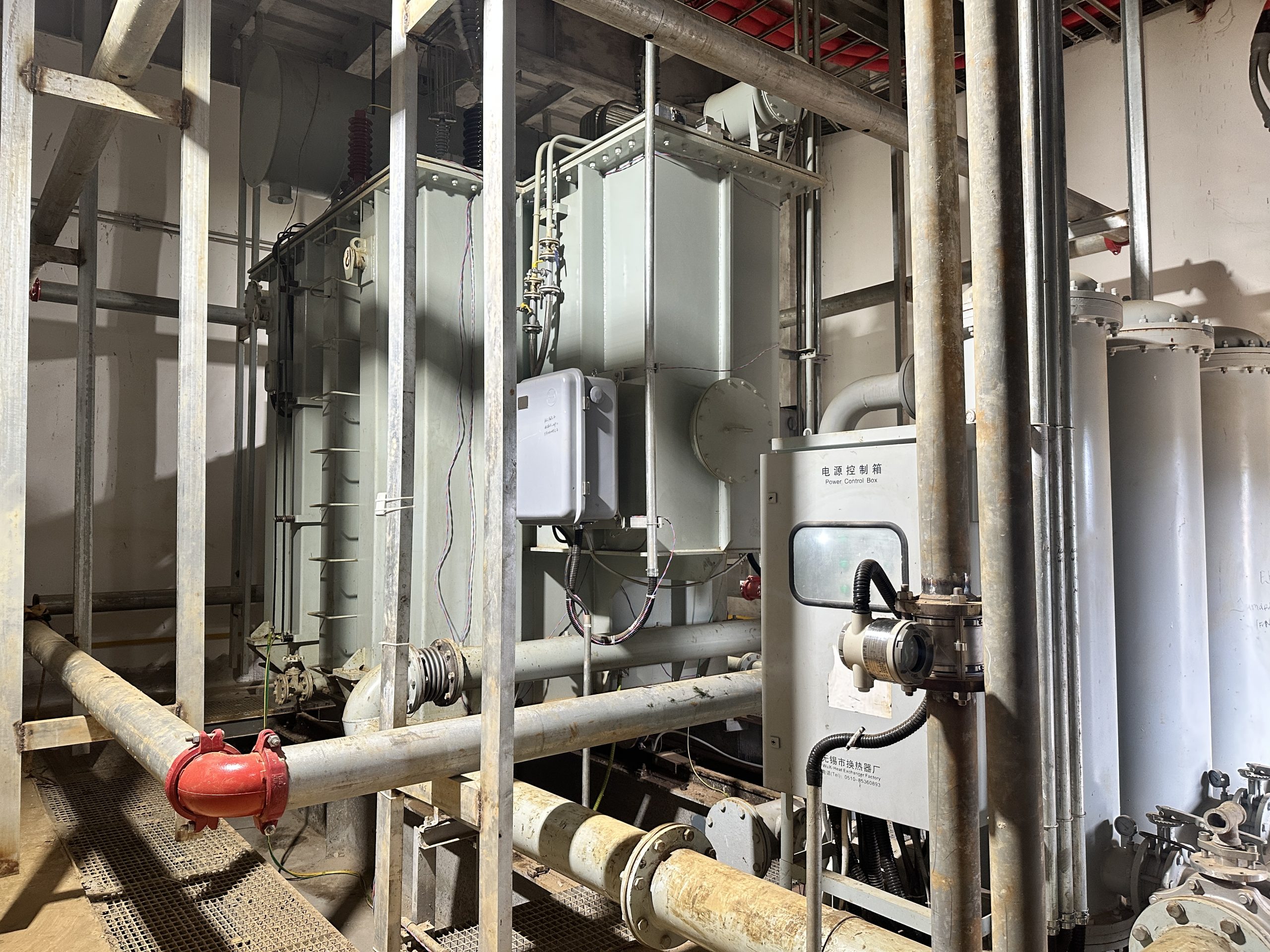
Acting as the direct industrial power transformer supplier, Xintebian manufactured a 110kV oil-immersed transformer that integrated the stringent dynamic short-circuit mechanical requirements of IEEE C57 with the conservative temperature rise limits of IEC 60076. This dual-compliance engineering ensures that the equipment can handle the violent load fluctuations of heavy smelting without thermal degradation.
Pros & Cons Analysis: Dry Type vs Oil Immersed Power Transformer Efficiency
Operating under IEC or IEEE standards requires selecting the correct insulation medium. Evaluating dry type vs oil immersed power transformer efficiency dictates the long-term reliability of the installation.
Oil-Immersed Transformers
-
Pros: Maximum thermal capacity and heat dissipation. Unmatched for heavy capacity requirements (up to 150,000kVA). Ideal for Power Grid Infrastructure and large-scale Renewable Energy (Solar & Wind) Plants.
-
Cons: Requires secondary oil containment (bunding) and strict fire suppression protocols. Not suitable for standard indoor deployment.
Dry Type Transformers
-
Pros: Cast resin insulation eliminates oil leaks and fire hazards. Requires zero maintenance for cooling fluids. Recommended for indoor Substations and Data Centers.
-
Cons: Restricted maximum capacity due to limited heat dissipation. Unsuitable for direct connection to extreme industrial loads like heavy arc furnaces.
Expert Opinion: Specifying Industrial Transformers
“Finding the best power transformer supplier means finding a factory that understands standard cross-compliance. A standard distribution transformer built strictly to an average commercial baseline will fail under heavy industrial use. Whether you are specifying a furnace transformer for metallurgy or a vehicle-mounted transformer for mobile grid support, the equipment must be over-engineered to handle the highest mechanical stress thresholds outlined in both IEC 60076 and IEEE C57.” — Lead Electrical Engineer, Xintebian.
How to choose a power transformer for industrial use?
Calculate your total continuous connected load, determine the ambient temperature extremes of the installation site, and identify the required international standard (IEC or IEEE). For non-linear industrial loads, work directly with a custom high voltage step-down transformer manufacturer to specify the exact vector group, impedance limits, and harmonic derating required for your machinery.
What is the best oil-immersed transformer for outdoor substations?
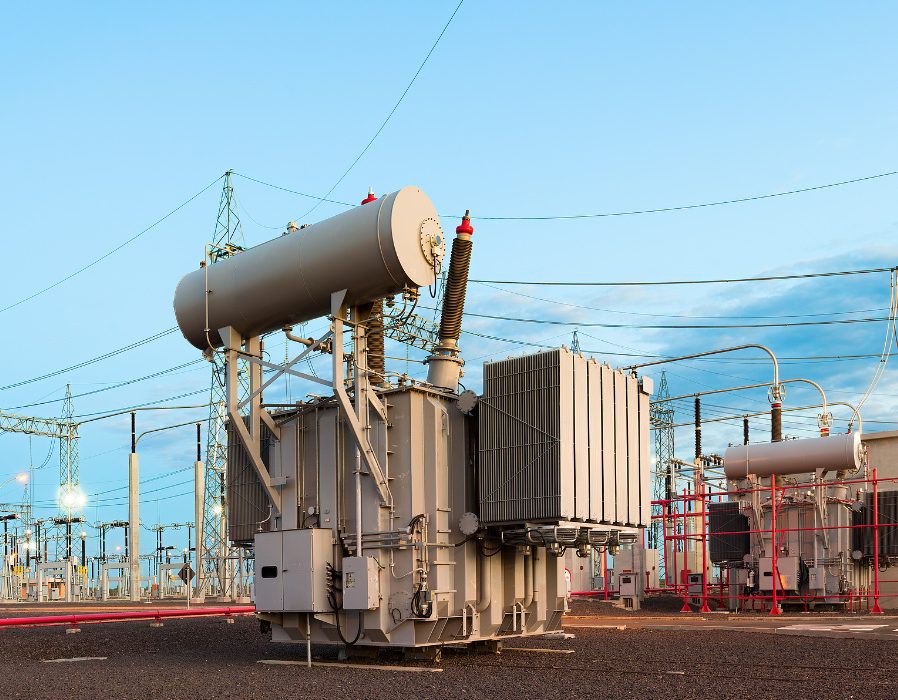
The best oil-immersed transformer for outdoor substations utilizes a fully hermetically sealed tank with corrugated fins to prevent oil oxidation. It must feature high anti-short-circuit capabilities and utilize C5-grade anti-corrosion paint to withstand harsh outdoor weather and industrial pollution common in exterior substation deployments.
When should a facility specify a pad-mounted transformer?
A pad-mounted transformer is required for underground power distribution networks. These units contain the transformer, high-voltage switches, and low-voltage connections inside a secure, tamper-proof steel cabinet. They are deployed in commercial zones, industrial parks, and areas where exposed overhead high-voltage lines are unsafe or prohibited.