Powering Heavy Metallurgy: The HTDSPZ-24000/33 Furnace Transformer at the CNI-Nickel-Iron Smelting Project

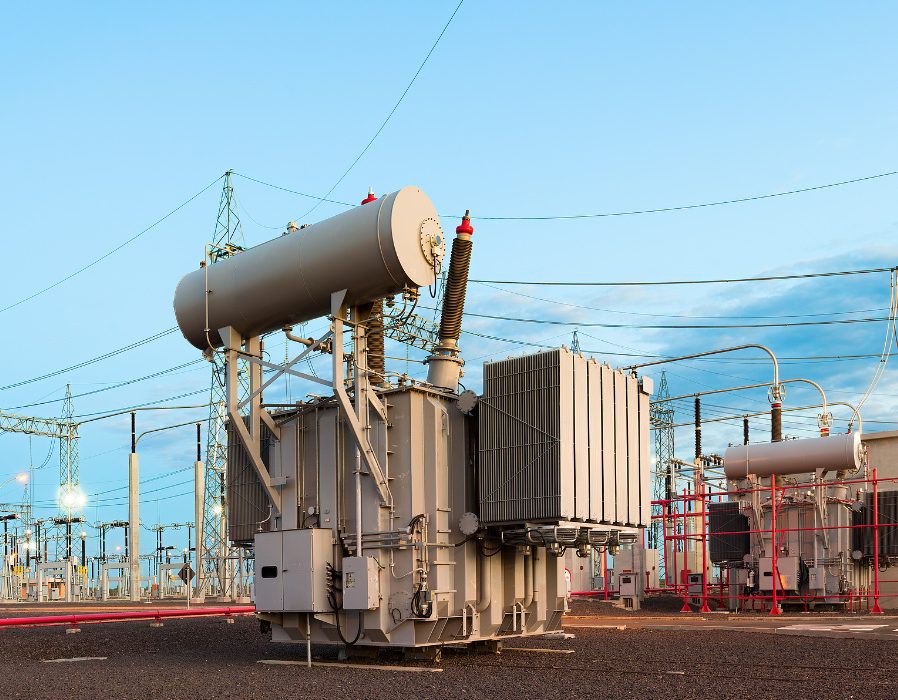
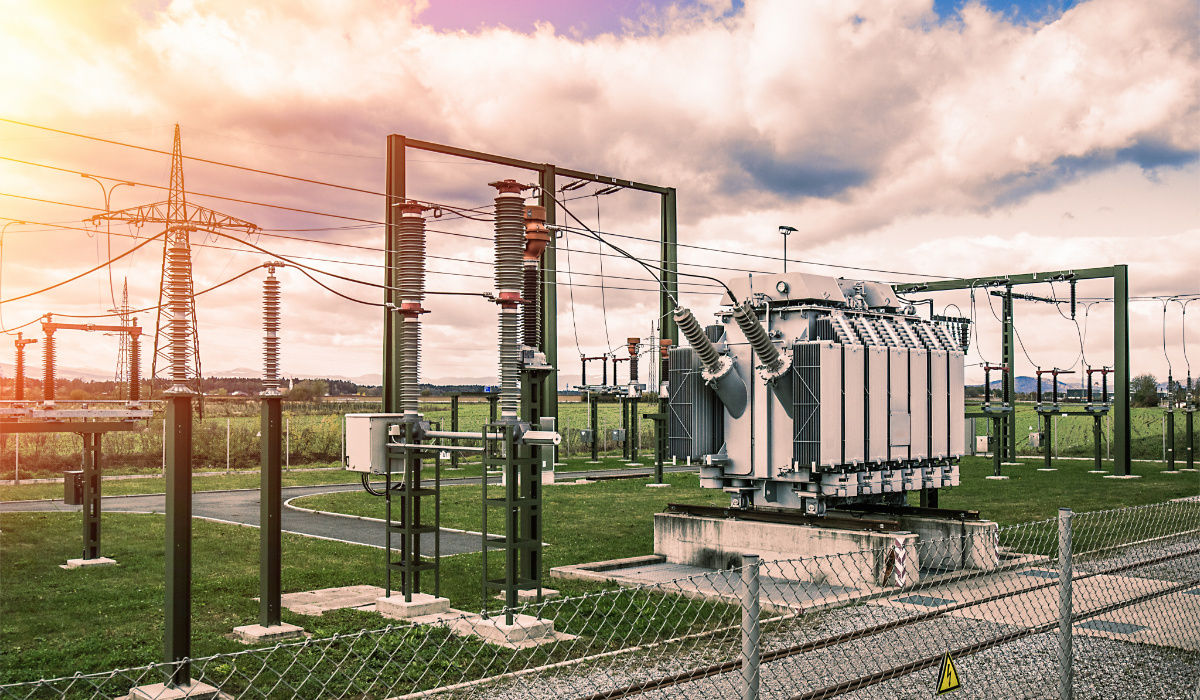
Deploying high-capacity power transformers in West Africa requires equipment designs that address high ambient temperatures, heavy seasonal rainfall, and regional grid fluctuations. Xintebian (tstrafo.com) recently completed the design, manufacturing, and factory testing of a custom 20MVA 66/11kV power transformer for a regional substation project in Guinea.
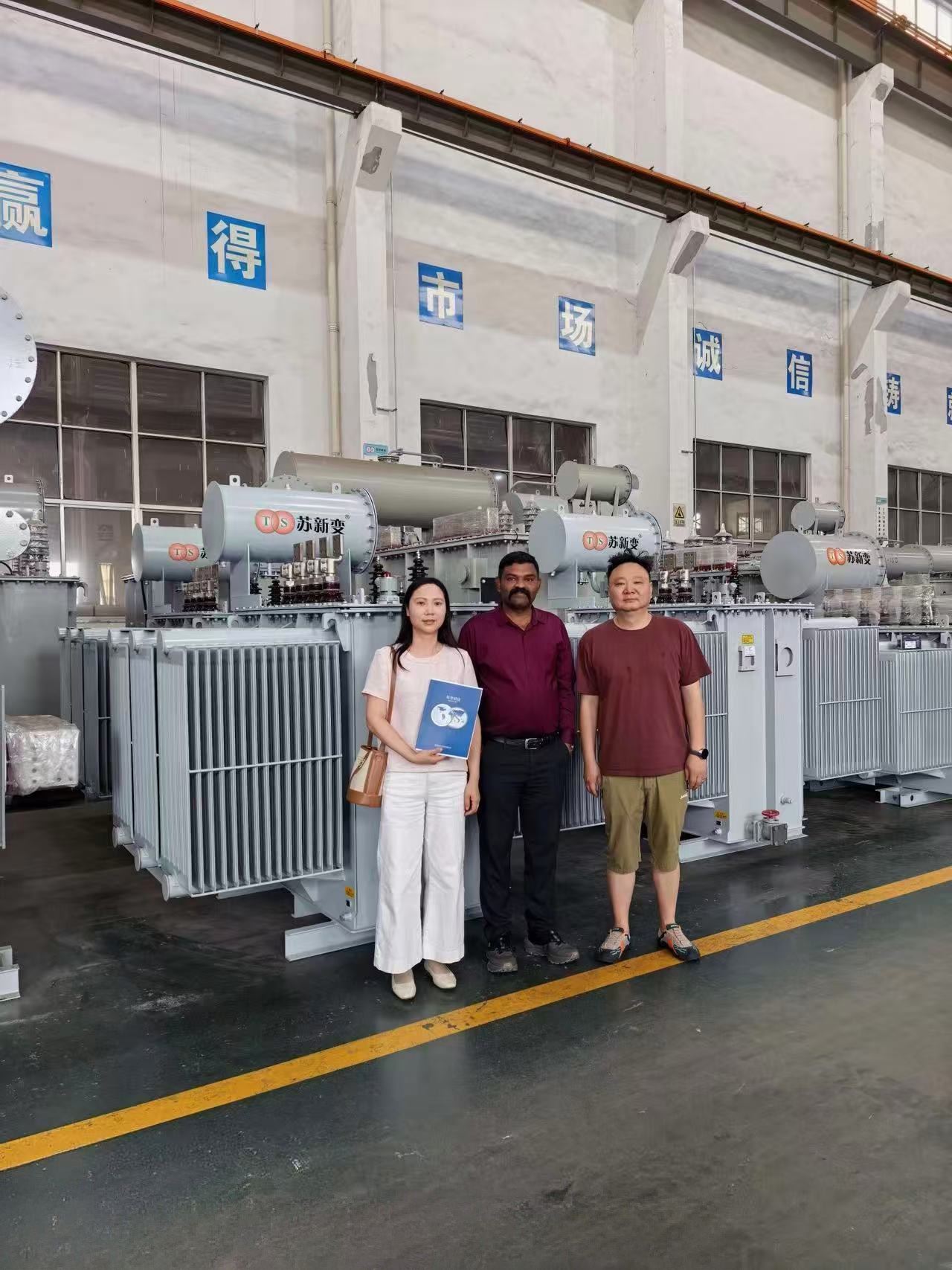
Because this unit serves as a critical node in the local power transmission network, the engineering focus was placed on voltage stability, thermal management, and mechanical robustness during transit.
Below are the technical specifications and engineering decisions applied to this project.
To meet the capacity requirements and environmental conditions of the site in Guinea, the engineering team specified an SZ11 series power transformer equipped with an On-Load Tap Changer (OLTC).
| Specification Parameter | Design Value / Component |
| Model | SZ11-20000/66 |
| Rated Power Capacity | 20 MVA (20,000 kVA) |
| Primary / Secondary Voltage | 66 ± 8 × 1.25% / 11 kV |
| Voltage Regulation | On-Load Tap Changer (OLTC) |
| Vector Group | YNd11 |
| Cooling Method | ONAN / ONAF (Oil Natural Air Forced) |
| Winding Material | High-Conductivity Electrolytic Copper |
| Insulation Level | Tropicalized (High Temperature & Humidity Rated) |
Grid networks in developing regions frequently experience voltage drops and instability. Unlike off-circuit tap changers, the specified On-Load Tap Changer (OLTC) allows the transformer to adjust the voltage ratio while the unit remains energized and carrying a load. This ensures that the 11kV secondary output remains stable and consistent, preventing damage to downstream electrical equipment and maintaining uninterrupted power supply for local industrial and residential users.
Guinea’s climate involves high ambient temperatures and significant humidity. Standard insulation materials degrade faster under sustained thermal stress.
Insulation: The internal windings use upgraded electrical insulation paper with higher thermal tolerance.
Cooling (ONAN/ONAF): The transformer relies on Oil Natural Air Natural (ONAN) cooling for base loads. When the load exceeds a specific threshold or ambient temperatures peak, the automated Air Forced (ONAF) cooling fans activate. This dual-mode system maintains safe operating temperatures for the transformer oil and core under heavy load conditions.
Logistics in West Africa often involve long transport routes over unpaved or uneven roads. To prevent internal shifting of the core and coil assembly during transit from the port to the inland installation site:
The internal core framework features reinforced clamping structures.
The external steel tank is constructed using thickened steel plates with heavy-duty lifting lugs and structural bracing to withstand mechanical shock and vibration.
Due to the high humidity and heavy wet seasons in Guinea, the exterior of the transformer tank was treated with a rigorous industrial coating process. After grit-blasting the bare metal, a zinc-rich epoxy primer was applied, followed by a weather-resistant polyurethane topcoat. This system prevents rust, corrosion, and exterior degradation over a projected 20-to-30-year lifespan.
Before shipping to Guinea, the 20MVA power transformer passed comprehensive Factory Acceptance Testing (FAT) in the Xintebian facility, strictly following IEC 60076 standards. Key tests included:
Measurement of voltage ratio and vector group verification
Measurement of no-load loss and current, load loss, and short-circuit impedance
Applied and induced overvoltage withstand tests
Insulation resistance and dielectric strength testing of the transformer oil
Operational testing of the OLTC mechanism under simulated load
Xintebian (tstrafo.com) engineers and manufactures high-voltage power transformers up to 220kV for utility grids, mining operations, and industrial substations worldwide. Our team evaluates site-specific conditions—such as climate, transport limitations, and grid stability—to deliver reliable, long-lasting electrical infrastructure.
Contact our sales engineering team via tstrafo.com to discuss technical requirements or request a detailed proposal for your next transmission and distribution project.
An off-circuit tap changer (OCTC) requires the transformer to be completely de-energized and disconnected from the power supply before adjusting the voltage ratio. An on-load tap changer (OLTC) contains complex switching mechanisms that allow the operator to adjust the voltage ratio while the transformer is actively carrying a load, ensuring zero downtime.
For large-capacity units like a 20MVA transformer, standard natural cooling (ONAN) may not dissipate heat fast enough during peak load operations or high ambient temperature events. ONAF (Oil Natural Air Forced) introduces exterior fans mounted on the radiators to force air circulation, increasing the cooling efficiency and allowing the transformer to operate safely at its maximum rated capacity.
During manufacturing, the active part (core and windings) is rigidly clamped and secured to the base of the tank. For large power transformers exported to regions with challenging road conditions, we use specialized heavy-duty transport bracing and continuously monitor physical shocks using impact recorders during the shipping process.
Yes. All power transformers manufactured by Xintebian are designed, built, and tested in accordance with the International Electrotechnical Commission (IEC) 60076 series of standards, ensuring global compatibility, safety, and performance reliability.