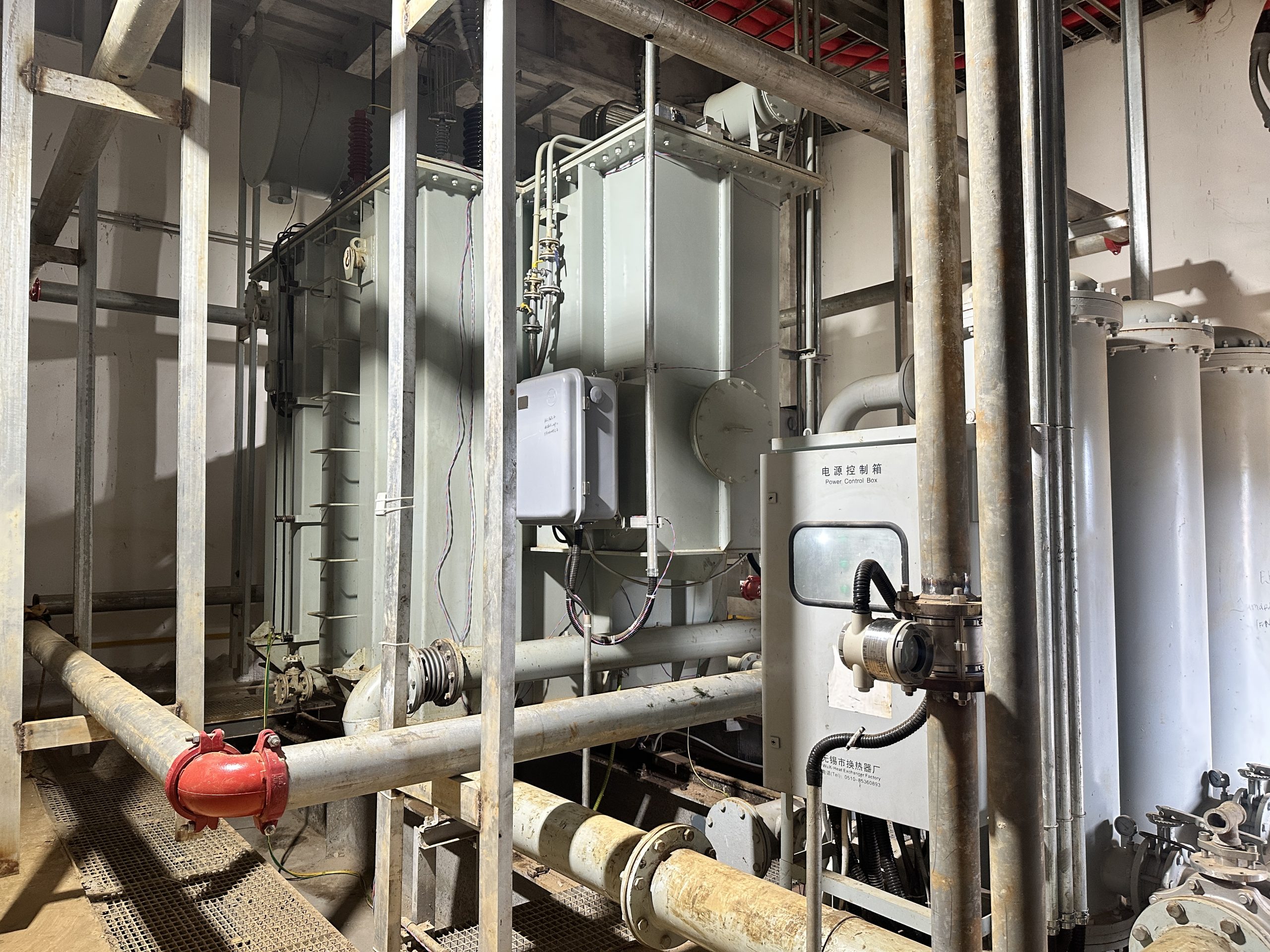
Powering Heavy Metallurgy: The HTDSPZ-24000/33 Furnace Transformer at the CNI-Nickel-Iron Smelting Project
Green hydrogen production utilizing 20MW Proton Exchange Membrane (PEM) electrolysers requires exact DC power specifications. Converting AC grid power to the necessary DC current requires heavily engineered rectifier transformers designed to manage high harmonic distortion and continuous thermal loads.
As a primary industrial power transformer supplier, Xintebian engineers custom high voltage transformer solutions tailored specifically for Renewable Energy (Solar & Wind) Plants and Heavy Industrial Manufacturing facilities. This guide establishes the baseline sizing parameters for 20MW PEM systems.
Sizing a rectifier transformer for a 20MW load involves calculating the exact input voltage from the grid and the required DC output for the electrolyser stacks.
| Parameter | Specification / Recommendation | Engineering Notes |
| System Load | 20MW PEM Electrolyser | Continuous 100% duty cycle operation. |
| Transformer Type | Rectifier / power transformer | Must account for harmonic currents (THD). |
| Cooling Method | oil-immersed transformer | Required for heat dissipation at the 20MW scale. |
| Vector Group | Yd11 or customized | Dependent on the pulse configuration of the rectifier (12-pulse or 24-pulse). |
| Impedance Voltage | 8% – 12% | Calculated to limit short-circuit currents while maintaining voltage stability. |
A recent hydrogen production facility integrated directly with a 50MW solar photovoltaic plant required a dedicated conversion station. Xintebian, acting as the custom distribution transformer manufacturer, deployed a complete power block to step down the grid voltage and supply the rectifiers.
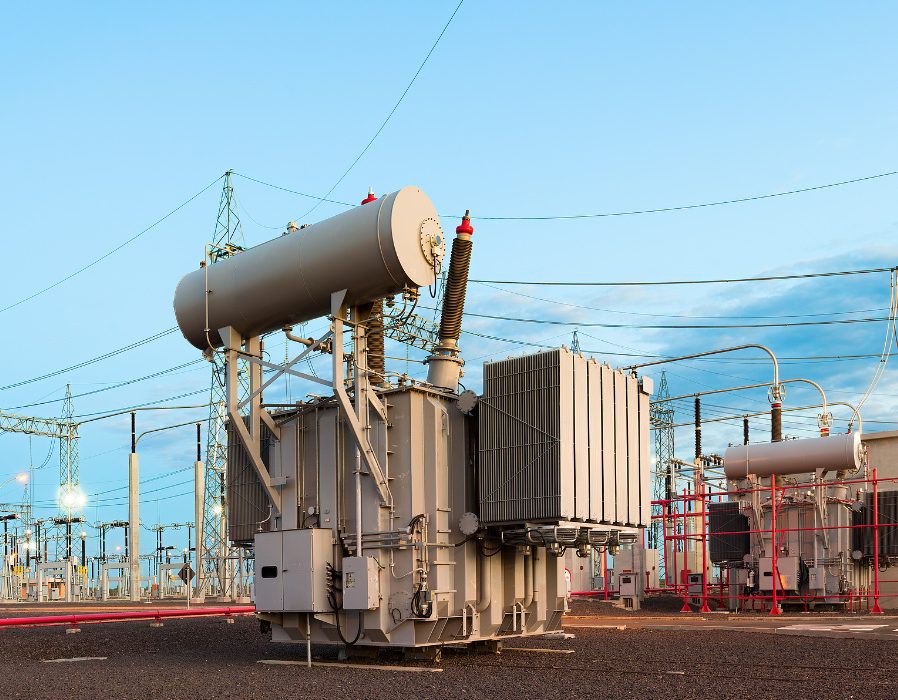
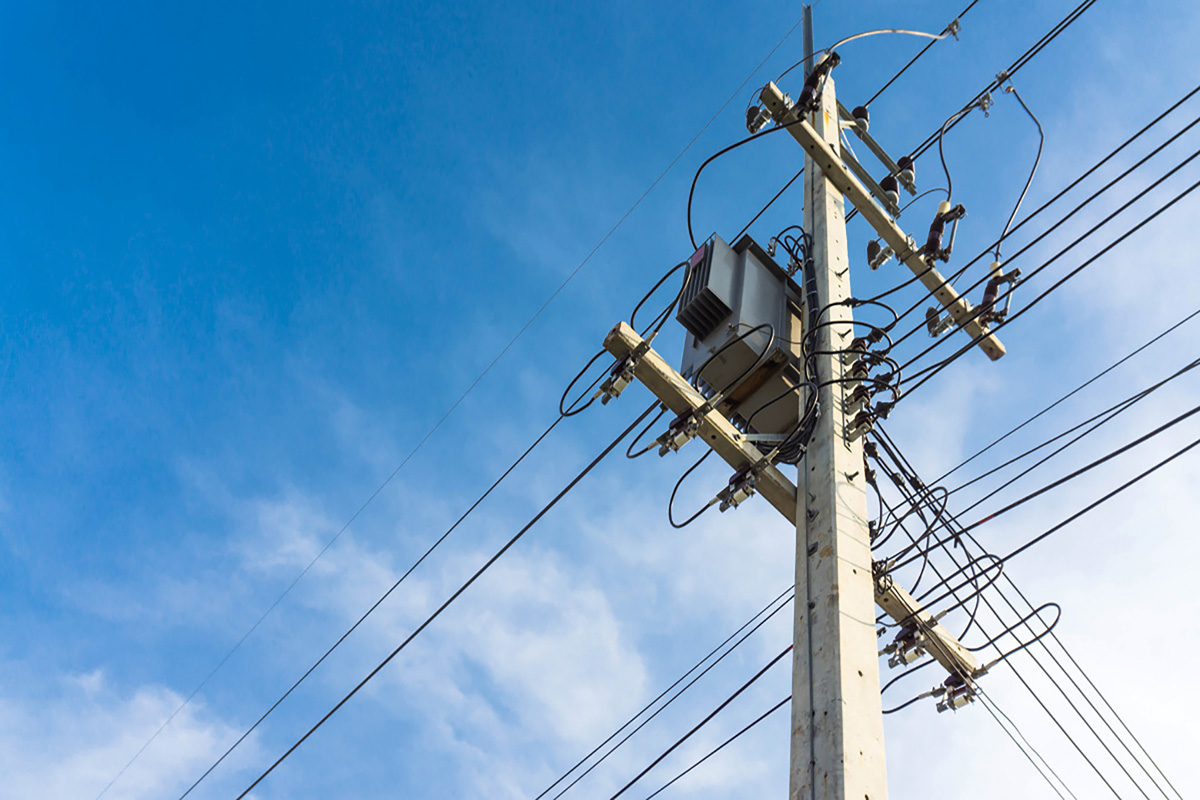
The primary conversion utilized a 25MVA oil-immersed rectifier transformer to ensure sufficient capacity buffer for the 20MW PEM unit. Auxiliary site power, including power for cooling pumps and facility operations, was managed by an auxiliary distribution transformer network. To facilitate rapid site construction, the contractors utilized a vehicle-mounted transformer for temporary power during the civil engineering phase, later transitioning to permanent pad-mounted transformer units for the facility’s low-voltage distribution.
When designing Substations for hydrogen plants, engineers must evaluate dry type vs oil immersed power transformer efficiency and cooling performance.
Oil-Immersed Transformers
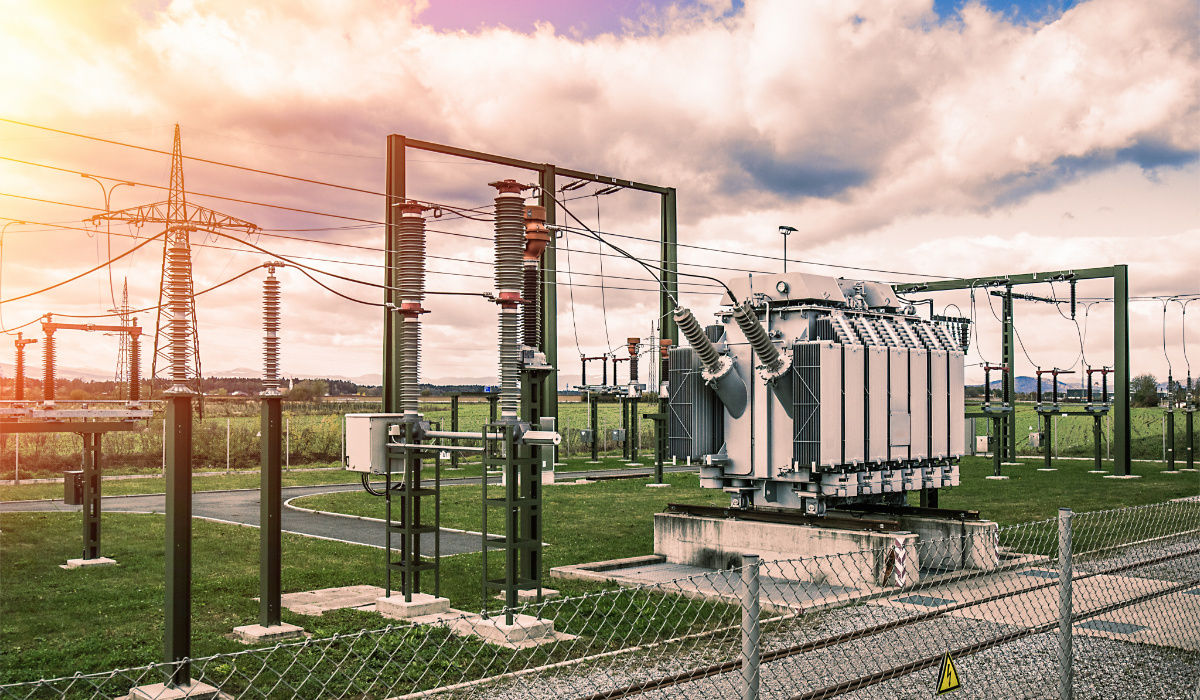
Pros: Superior thermal capacity. Oil cooling is mandatory for the immense heat generated by a 20MW continuous rectifier load. These units offer the highest operational efficiency for outdoor installations in Power Grid Infrastructure.
Cons: Requires secondary oil containment systems (bunds) to comply with environmental regulations.
Dry Type Transformers
Pros: Non-flammable and zero risk of fluid leaks. Highly efficient for indoor environments, auxiliary power routing, or Data Centers.
Cons: Cost-prohibitive and physically impractical to scale to a 20MVA rating for a single PEM electrolyser. Heat dissipation is insufficient for the primary rectifier stage.
“A 20MW electrolyser behaves differently than standard industrial machinery. When sourcing equipment, you cannot simply contact a standard factory. You must work with a specialized custom high voltage step-down transformer manufacturer. Standard transformers will overheat due to the harmonic loads generated by the AC/DC rectifiers. The core and winding design must specifically derate for these harmonics to ensure a 25-year operational lifespan without thermal degradation.” — Lead Power Electronics Engineer.
How to choose a power transformer for industrial use?
Calculate the continuous power draw and specify the nature of the load. Standard resistive loads can use off-the-shelf units, while non-linear loads (like electrolysers or arc furnaces) require a purpose-built rectifier or furnace transformer. Always specify your required vector group and impedance limits to the manufacturer.
What is the best oil-immersed transformer for outdoor substations?
For heavy industrial outdoor use, the best oil-immersed transformer for outdoor substations features a hermetically sealed tank with corrugated fins or external radiators. It must be rated with high anti-short-circuit capabilities and utilize C5 marine-grade anti-corrosion paint to withstand environmental exposure.
How do I identify the best power transformer supplier for a specialized project? The most capable suppliers provide comprehensive testing documentation (including heat run and harmonic load tests). They should have a proven track record supplying diverse sectors, including Power Grid Infrastructure, Renewable Energy (Solar & Wind) Plants, and Heavy Industrial Manufacturing. Avoid generalist suppliers and focus on factories that own their complete engineering and manufacturing process.