- 24/7 Industrial Support Available
- +86(512)58990319
- vp@jsxtbkj.com

Vehicle-Mounted Mobile Transformer (10 MVA – 60 MVA)
Product Overview
The vehicle-mounted transformer is a heavily modified power transformer structurally integrated onto a multi-axle semi-trailer or heavy-duty skid. Serving as the core component of a mobile substation, this unit provides rapid-deployment voltage transformation for emergency grid restoration, temporary construction loads, and remote mining operations. Unlike stationary transformers, this equipment is engineered with a reinforced internal active part to withstand multiaxial transit vibrations and is dimensionally optimized with a low center of gravity to comply strictly with highway transportation regulations.
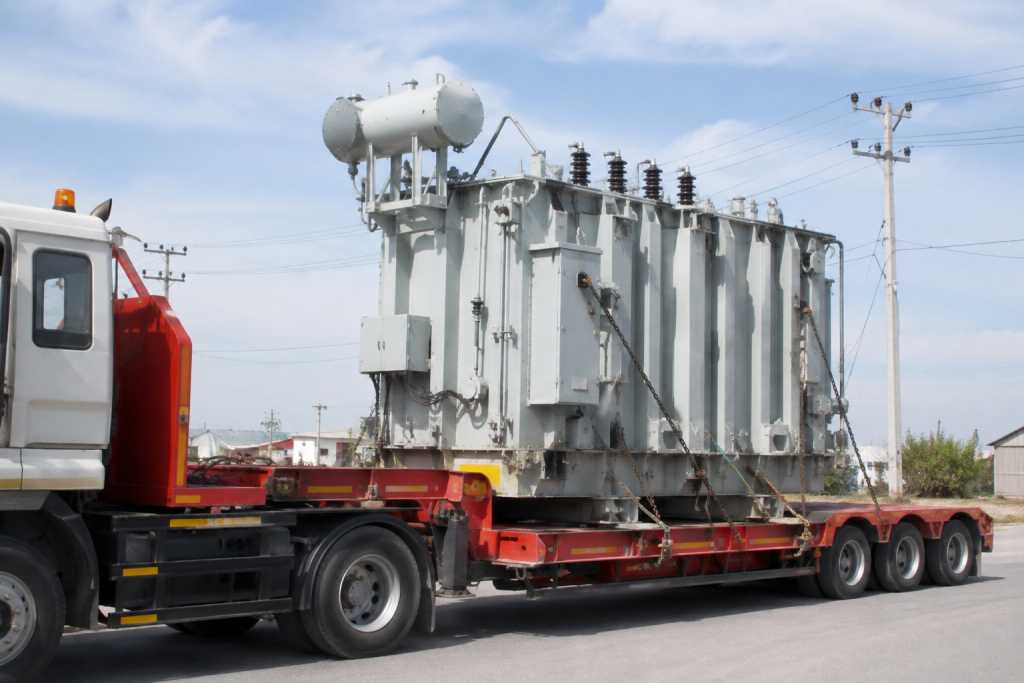
Key Features
1.High Vibration and Shock Withstand: The internal core and coil assemblies are rigidly anchored to the tank base and walls using heavy-duty mechanical restraints and anti-loosening fasteners. This prevents the displacement of windings and core steel under high G-forces during transit over rough terrain.
2.Dimensional Weight Optimization: Designed to meet strict road bridge weight limits and overpass clearances. The unit utilizes directed oil flow (ODAF) and high-temperature hybrid insulation (such as aramid paper) to maximize the MVA-to-weight ratio, allowing higher capacities within restricted trailer footprints.
3.Rapid Deployment Architecture: Equipped with dry-type plug-in high-voltage bushings or flexible cable terminations. The transformer is shipped fully assembled and oil-filled. It requires no site foundation works, oil processing, or internal inspections upon arrival, reducing setup time from weeks to hours.
4.Shatterproof External Components: Traditional porcelain insulators are completely replaced with composite silicone rubber bushings. This eliminates the risk of shattering caused by road debris, transit impacts, or seismic activity.
5.Slosh-Resistant Hermetic Tank: The corrugated or heavily reinforced steel tank is fully welded and hermetically sealed. Internal baffle plates mitigate the dynamic sloshing of insulating oil during sudden braking or steep inclines, maintaining internal pressure stability.
Technical Specifications
1.Rated Power Capacity: 10 MVA to 60 MVA (Capacities above 60 MVA may require specialized multi-trailer configurations)
2.Primary Voltage: 33 kV, 66 kV, 110 kV, 132 kV, 220 kV
3.Secondary Voltage: 11 kV, 22 kV, 33 kV
4.Platform Configuration: 3-axle to 6-axle semi-trailer (Hydraulic leveling jacks included)
5.Cooling Method: ONAF / ODAF (Forced cooling minimizes radiator footprint)
6.Insulation Class: Class A (Mineral Oil) / Hybrid High-Temperature Insulation
7.Bushing Type: Composite Silicone / Plug-in Cable Connections
8.Protection Enclosure: IP55 rated control cabinets mounted on the trailer deck
9.Applicable Standards: IEC 60076, IEEE C57.12.00, DOT / Regional Highway Transport Regulations
Primary Applications
1.Emergency Grid Recovery: Bypassing damaged permanent substations immediately following natural disasters, extreme weather events, or catastrophic equipment failures to restore utility power.
2.Substation Maintenance Bypass: Supplying continuous, uninterrupted power to a grid sector while the primary stationary transformer undergoes scheduled maintenance, testing, or capacity upgrades.
3.Mining and Excavation: Relocating power sources dynamically alongside moving heavy electrical loads (such as draglines and electric shovels) in open-pit mining operations.
4.Temporary Infrastructure Projects: Providing high-capacity utility connections for large-scale construction sites, tunneling projects, or military deployments before permanent infrastructure is established.
How long does it take to deploy a vehicle-mounted transformer?
Unlike stationary transformers that require civil foundation construction, vacuum oil filling, and extensive site acceptance testing (SAT), a vehicle-mounted unit is pre-assembled and pre-tested at the factory. Once towed to the site, it can typically be positioned, leveled using hydraulic jacks, connected to the grid via flexible cables, and energized within 12 to 24 hours.
Are there size restrictions for vehicle-mounted transformers?
Yes. The physical dimensions (height, width) and total weight of the transformer and trailer combined must strictly comply with regional highway transportation limits. Exceeding standard limits requires specialized permits and escorts. This dimensional constraint generally caps single-trailer units at around 60 MVA for 110kV/132kV voltage classes.
Can the transformer operate while still attached to the trailer?
Yes. The trailer is designed to act as the permanent operating foundation. During operation, heavy-duty grounding pads/jacks are deployed to stabilize the platform against wind and operational vibrations, and the entire trailer chassis is bonded directly to the local earth grid for electrical safety.
How does a mobile transformer handle insulating oil during transit?
The transformer is shipped completely filled with dielectric oil. The tank is hermetically sealed to isolate the oil from atmospheric moisture. Internal structures and baffles are engineered to handle the hydraulic forces exerted by the oil mass during acceleration, braking, and cornering, ensuring the tank welds do not fatigue.
Why are plug-in bushings preferred on mobile substations?
Plug-in connections allow utility cables to be connected directly to the transformer without opening the tank or exposing the dielectric oil to ambient air and moisture. This maintains the factory-certified insulation integrity and significantly speeds up the mechanical connection process during an emergency deployment.