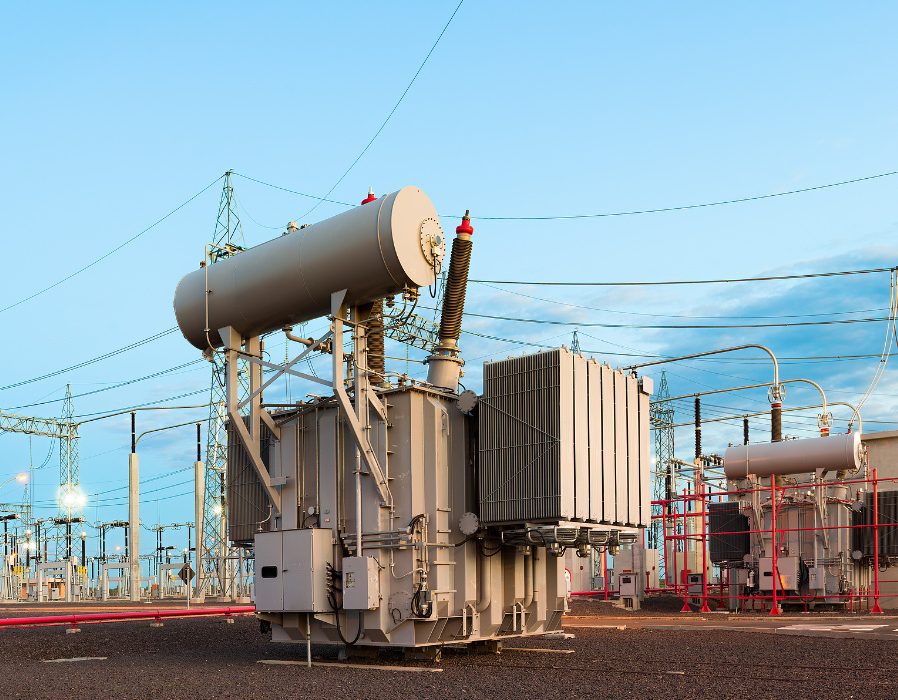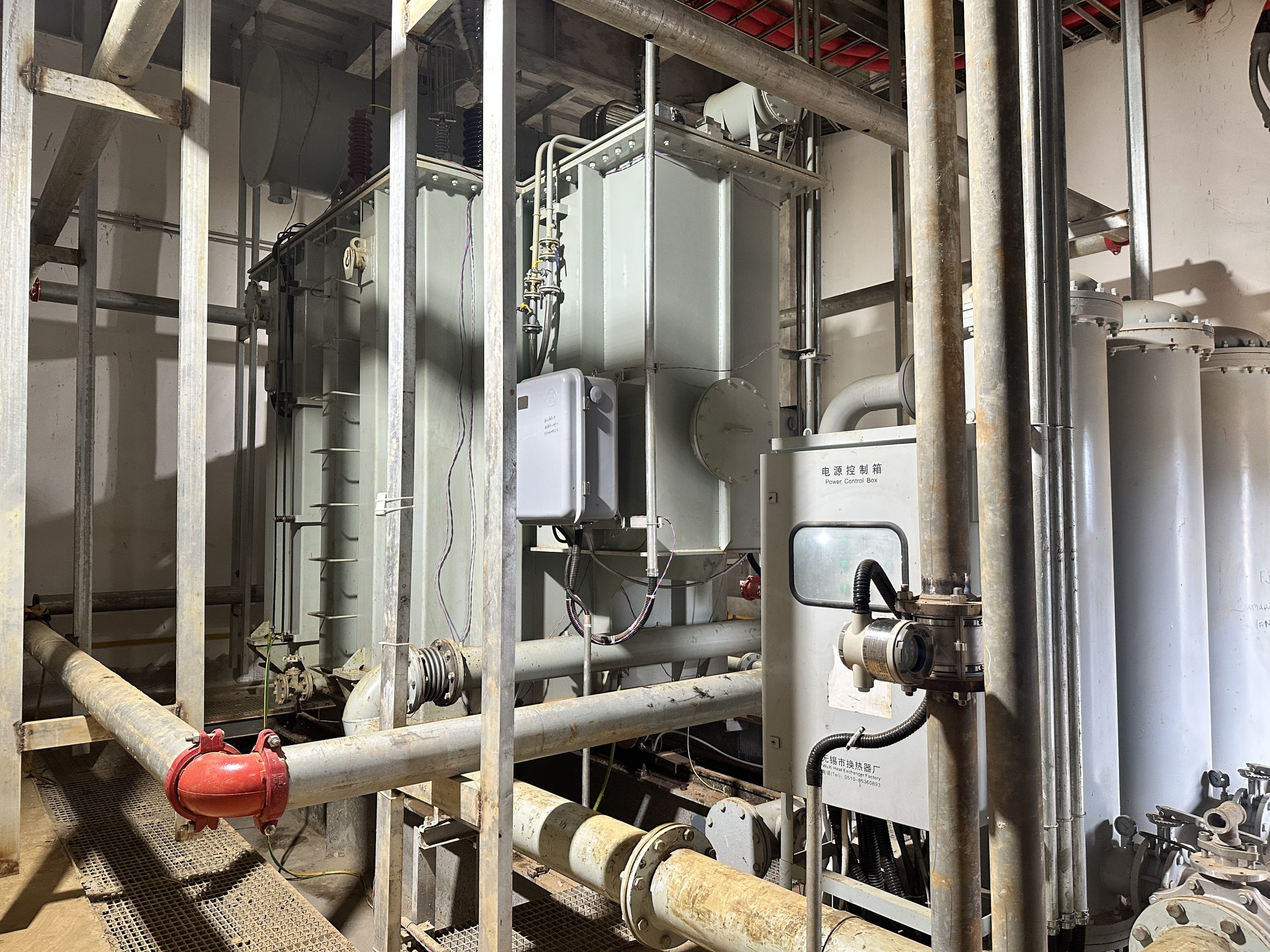
Powering Heavy Metallurgy: The HTDSPZ-24000/33 Furnace Transformer at the CNI-Nickel-Iron Smelting Project

How AI Data Centers Are Driving Power Transformer Shortages—And How Procurement Teams Can Beat 2-Year Lead Times
The explosion of AI data centers, combined with renewable energy grid integrations and aging utility infrastructure, has pushed lead times for large power transformers and distribution transformers to an unprecedented 80 to 120 weeks. Industrial engineering and procurement teams can bypass these bottlenecked supply chains by engaging an agile custom high voltage step-down transformer manufacturer like Xintebian, adopting modular transformer specifications, securing pre-certified CRGO core steel stock, and utilizing rapid-deployment units like vehicle-mounted transformers for temporary site energization.
The Global Power Transformer Bottleneck: Why Lead Times Hit 100+ Weeks
The global electrical equipment supply chain is facing an unprecedented structural deficit. The rapid rollout of artificial intelligence clusters—where a single hyperscale facility can demand 100 MW to 1 GW of immediate power—has collided with broad electrification efforts across heavy manufacturing, solar and wind plant integration, and utility grid upgrades.
Global Transformer Supply vs. Demand Crisis (2024–2026)
Demand Drivers:
Supply Constraints:
For engineering, procurement, and construction (EPC) management teams, the primary operational bottleneck is no longer server hardware or site acquisition—it is obtaining grid-ready high voltage transformer solutions on schedule. Tier-1 legacy OEMs are currently quoting delivery windows exceeding two years for MVA-scale units.
To maintain project timelines, project owners must reevaluate traditional procurement strategies and partner with a flexible, certified industrial power transformer supplier capable of engineering custom units on accelerated schedules.
Technical Comparison Matrix: Selecting the Right Transformer for Your Application
Choosing the correct transformer architecture directly affects thermal efficiency, footprint, capital expenditure, and delivery timelines. The matrix below outlines operational boundaries across core equipment categories manufactured by Xintebian.
Technical Specifications, Efficiency, and Procurement Lead Times
| Transformer Type | Primary Application | Standard Voltage / Capacity Range | Cooling Mechanism | Efficiency Standard | Typical Industry Lead Time | Xintebian Accelerated Lead Time |
| Power Transformer | Main Grid Substations, Utility Interconnection | Up to 500 kV / 10 MVA – 500 MVA | ONAN / ONAF / OFAF | > 99.5% (IEEE C57 / IEC 60076) | 90 – 120 Weeks | 24 – 32 Weeks |
| Distribution Transformer | Commercial, Industrial, Microgrid Distribution | Up to 35 kV / 50 kVA – 5,000 kVA | ONAN / AN | DOE 2016 / Tier 2 EcoDesign | 40 – 60 Weeks | 12 – 16 Weeks |
| Oil-Immersed Transformer | Outdoor Substations, Heavy Manufacturing | Up to 230 kV / 500 kVA – 100 MVA | KNAN / ONAN (Mineral / Synthetic Ester) | Low No-Load Losses | 50 – 80 Weeks | 16 – 24 Weeks |
| Dry Type Transformer | Indoor Data Centers, High-Rise Buildings, Mining | Up to 35 kV / 100 kVA – 15 MVA | AN / AF (Cast Resin / VPI) | Class H Insulation Efficiency | 36 – 50 Weeks | 10 – 14 Weeks |
| Pad-Mounted Transformer | Solar/Wind Farms, Underground Commercial Power | Up to 35 kV / 500 kVA – 10,000 kVA | ONAN (Loop or Radial Feed) | IEEE C57.12.34 Compliant | 52 – 70 Weeks | 14 – 18 Weeks |
| Furnace Transformer | Arc Furnaces, Smelting, Heavy Metallurgy | High Current / Low Voltage Output | OFWF / ODAF | Heavy Duty Cyclic Load Rated | 60 – 90 Weeks | 20 – 28 Weeks |
| Vehicle-Mounted Transformer | Mobile Substations, Emergency Backup | Up to 138 kV / 5 MVA – 60 MVA | ONAN / ONAF Compact Design | High Mobility / Vibration Resistant | 40 – 60 Weeks | 14 – 20 Weeks |
Dry Type vs Oil-Immersed Power Transformer Efficiency: What the Data Shows
A frequent design question encountered during site planning is evaluating dry type vs oil immersed power transformer efficiency for indoor versus outdoor substations.
| Dry Type Transformer | Oil-Immersed Transformer |
| Cast Resin / VPI | Mineral / Synthetic Ester |
| Air Cooled (AN/AF) | Liquid Cooled (ONAN/ONAF) |
| Ideal for Indoors | Superior Heat Dissipation |
| Zero Fire Risk | Higher Peak Overload Rate |
Dry Type Transformers
Oil-Immersed Transformers
How to Choose a Power Transformer for Industrial Use: Engineering Checklist
Determining how to choose a power transformer for industrial use requires analyzing electrical, mechanical, and environmental parameters before placing a factory order. Oversights in specification lead to costly delays during utility interconnections or premature insulation breakdown.
Grid High Voltage Input: e.g., 115 kV / 230 kV
Step 1: Select High Voltage Step-Down Transformer
Primary Winding: 115 kV / Secondary: 13.8 kV
BIL Rating: e.g., 550 kV BIL
Impedance matching for fault current control
Step 2: Distribution Step-Down Transformer
Secondary Winding: 415 V / 480 V
Feeding Data Hall PDU / Heavy Motors
Key Engineering Steps:
Application Case Study: Accelerating Grid Connection for a 120 MW Hyperscale AI Data Center
Project Background
A leading cloud infrastructure operator expanding an AI processing cluster in Texas faced a critical schedule block. The local utility approved a 115 kV grid connection, but the incumbent transformer manufacturer quoted a 110-week delivery lead time for the primary substation transformer. The facility needed to be operational within 10 months.
Case Study Procurement Timeline Comparison:
Standard Industry Lead Time: 110 Weeks
Xintebian Fast-Track Delivery: 28 Weeks (Delivered & Energized)
The Technical Solution
The procurement team selected Xintebian as their custom distribution transformer manufacturer and high-voltage equipment partner.
Results & Impact
Strategic Playbook for Procurement Teams: How to Beat 2-Year Lead Times
To protect project budgets and commissioning deadlines, global supply chain directors are replacing traditional single-source ordering with an agile procurement framework.
| TRADITIONAL PROCUREMENT | XINTEBIAN AGILE PLAYBOOK |
| Fixed OEM Off-the-Shelf Catalog | Fully Engineered Custom Design |
| Rigid 100+ Week Backlog | 24 – 32 Week Fast-Track Delivery |
| Single-Source Bottlenecks | Pre-Reserved Raw Materials |
Strategy 1: Partner with a Specialized Custom Manufacturer
Standardized catalog units from legacy brands often carry artificial lead times caused by corporate manufacturing backlogs rather than material availability. Working with Xintebian, a recognized best power transformer supplier for custom energy projects, provides direct engineering collaboration, rapid core/coil drawing sign-offs, and dedicated production lines.
Strategy 2: Pre-Certify Materials and Modular Designs
Standardize primary voltage ratios across your project portfolio. By fixing incoming voltage specs (e.g., 138 kV to 13.8 kV or 35 kV to 0.4 kV), your industrial power transformer supplier can pre-allocate Cold-Rolled Grain-Oriented (CRGO) steel cores and copper conductor winding stock before final mechanical drawings are locked.
Strategy 3: Deploy Mobile and Vehicle-Mounted Units
When permanent substations experience civil engineering or utility access delays, mobile vehicle-mounted transformers serve as fully transportable, plug-and-play substation assets. These units house complete switchgear, protection relays, and step-down transformers on a heavy-duty road trailer, allowing instant energization of industrial sites or renewable plants.
Expert Perspectives: Insights from Power Infrastructure Engineers
“The bottleneck in grid transformation isn’t technology—it’s manufacturing agility.”
“When designing high-density power systems for AI compute centers or heavy metallurgical plants utilizing furnace transformers, off-the-shelf equipment rarely aligns with site spatial constraints or precise impedance tolerances. Sourcing from a custom distribution transformer manufacturer that offers full engineering flexibility allows us to optimize efficiency while cutting lead times in half.”
— Marcus Vance, PE, Senior Electrical Infrastructure Consultant
What is the main cause of current power transformer lead times?
The surge in transformer lead times (now 80–120 weeks across legacy OEMs) is driven by three intersecting factors: unprecedented power demand from AI hyperscale data centers, massive grid-tie requests from utility-scale solar and wind projects, and supply chain constraints in specialized raw materials such as cold-rolled grain-oriented (CRGO) electrical steel and high-voltage bushings.
Why are dry type transformers preferred for indoor data center applications?
Dry type transformers use cast resin or vacuum pressure impregnation (VPI) instead of flammable liquid coolants. This design eliminates fire risk, toxic chemical hazards, and fluid leak risks, satisfying stringent building safety codes (such as NFPA 70) for installation directly inside data halls, commercial buildings, and industrial cleanrooms.
What makes Xintebian an ideal custom high voltage step-down transformer manufacturer?
Xintebian combines complete in-house engineering, automated core-winding technology, and pre-secured raw material supply chains to offer custom-designed high voltage transformer solutions. While legacy suppliers quote 2-year delivery windows, Xintebian delivers fully certified, custom-engineered power transformers and distribution transformers in 12 to 32 weeks, supported by rigorous Factory Acceptance Testing (FAT) to IEEE, IEC, and ANSI standards.
How does a furnace transformer differ from a standard distribution transformer?
A furnace transformer is designed to withstand extreme electromagnetic stress, mechanical vibration, and continuous cyclic short-circuits inherent in electric arc furnace (EAF) and heavy smelting operations. Unlike standard distribution transformers that step down voltage for steady utility distribution, furnace transformers deliver very high output current at low, finely adjustable voltage steps.
How can a vehicle-mounted transformer prevent project downtime?
A vehicle-mounted transformer functions as a complete mobile substation on a trailer. It allows utilities and industrial facilities to bypass damaged substations, bridge construction delays during main transformer upgrades, or provide rapid power backup during seasonal peak demand without waiting for permanent civil construction.
Technical Specifications Summary & Direct Procurement Support
Whether you are designing a high-voltage utility substation, integrating a multi-megawatt renewable solar farm, or powering a next-generation AI data center, securing certified transformer assets on time is critical to project viability.
Xintebian provides full-spectrum high voltage transformer solutions tailored to exact customer engineering parameters:
Need to beat legacy lead times on your next energy project?
Request a custom design review, download detailed engineering CAD files, or consult directly with a senior application engineer today.