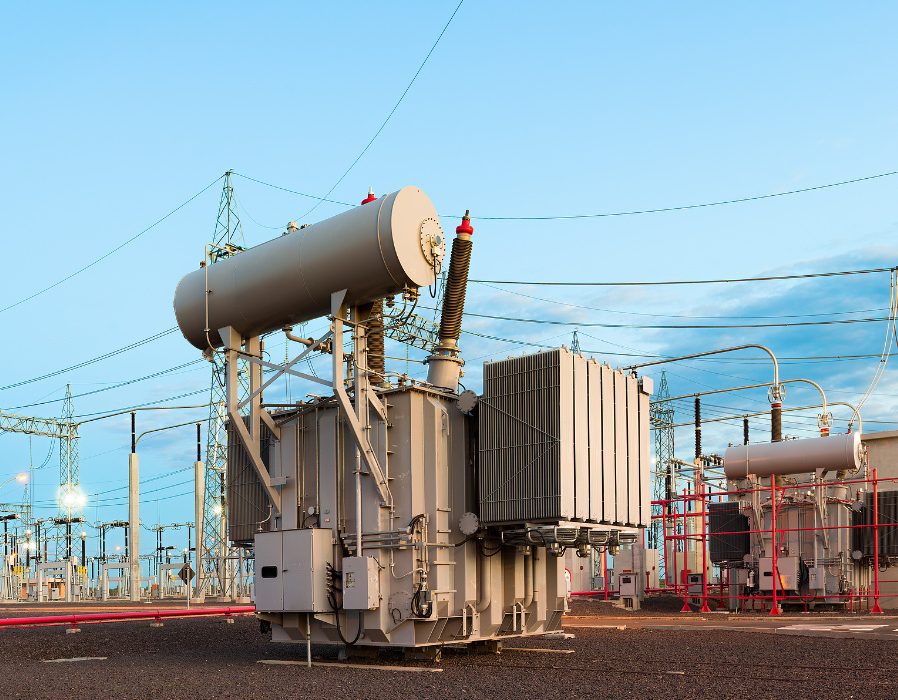
Powering Heavy Metallurgy: The HTDSPZ-24000/33 Furnace Transformer at the CNI-Nickel-Iron Smelting Project
Grid infrastructure is undergoing a massive stress test. The rapid integration of renewable energy (solar and wind) plants, alongside base-load increases from heavy industrial manufacturing and high-density data centers, pushes legacy electrical equipment past its design limits.
For decades, standard mineral oil units were the default specification. Today, facility engineers and EPC contractors are rewriting their procurement guidelines to mandate ester-filled fluids and smart monitoring systems. As a leading industrial power transformer supplier, Xintebian tracks this shift through field data. Here is an engineering breakdown of why modern grid demands require upgraded transformer technology.
Pros & Cons Analysis: Upgrading the Dielectric Standard
When evaluating high voltage transformer solutions, the core debate centers on insulation and cooling mediums. The shift toward natural and synthetic ester fluids, alongside advanced dry-type solid insulation, fundamentally changes the risk and efficiency calculations.
Ester-Filled (Advanced Oil-Immersed Transformer)
Ester fluids replace highly flammable mineral oil with plant-based or synthetic alternatives inside the transformer tank.
Cast-Resin (Dry Type Transformer)
Solid epoxy resin encapsulates the windings, relying entirely on forced or natural air for thermal management.
Comparative Data: Transformer Technology Matrix
The following data compares legacy mineral oil against modern ester and dry-type specifications for typical 10MVA to 50MVA installations.
| Metric | Legacy Mineral Oil | Ester-Filled Oil-Immersed | Solid Resin Dry-Type |
| Flash / Fire Point | ~150°C / 170°C | >300°C / 360°C | Non-combustible |
| Overload Capacity | Baseline | +15% to 20% | Limited |
| Environmental Risk | High (Toxic spills) | Minimal (Biodegradable) | Zero (No fluids) |
| Maintenance Burden | High (DGA testing) | Moderate (DGA testing) | Low (Visual & Vacuum) |
| Primary Application | Outdated Substations | Wind/Solar, Urban Grid | Data Centers, Indoors |
Field Application Cases
Case 1: 150MW Solar Plant Integration
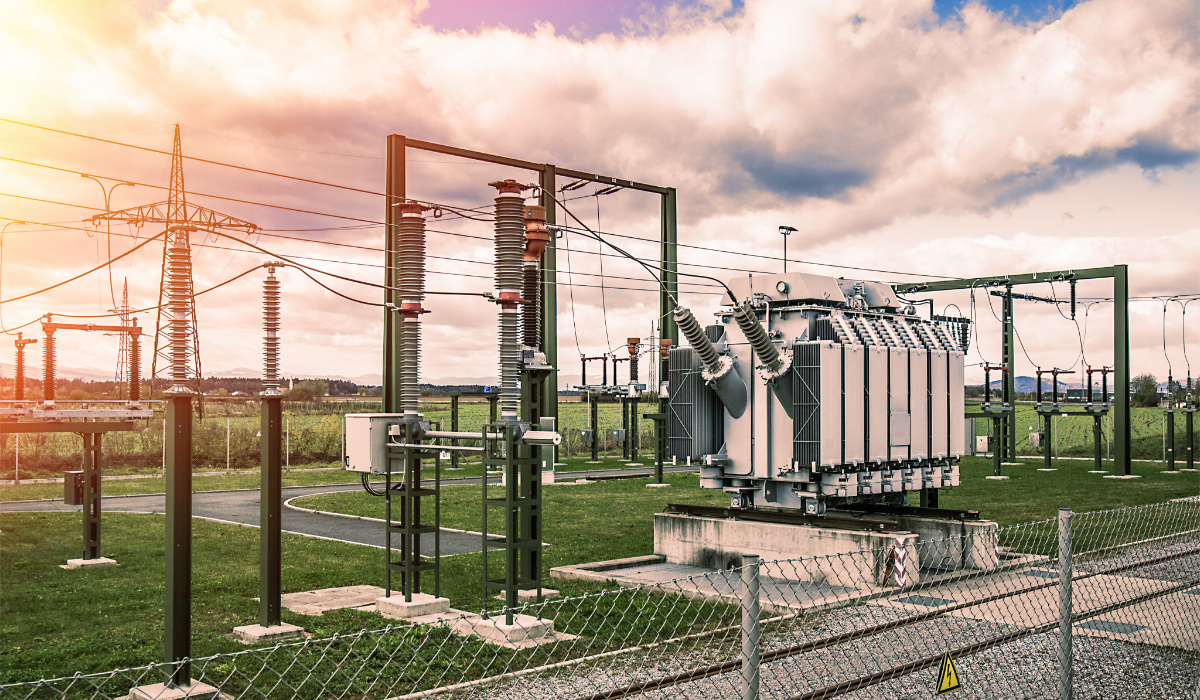
Solar generation causes severe load cycling—ramping up during peak daylight and dropping to zero at night. A renewable energy contractor needed the best oil-immersed transformer for outdoor substations to handle this daily thermal expansion and contraction. Xintebian deployed a series of ester-filled power transformers equipped with smart dissolved gas analysis (DGA) monitors. The ester fluid accommodated the aggressive load spikes without thermal aging, while the smart monitors provided the remote grid operators with real-time fault prediction data, eliminating routine physical inspection trips to the remote site.
Case 2: Heavy Steel Smelting Facility
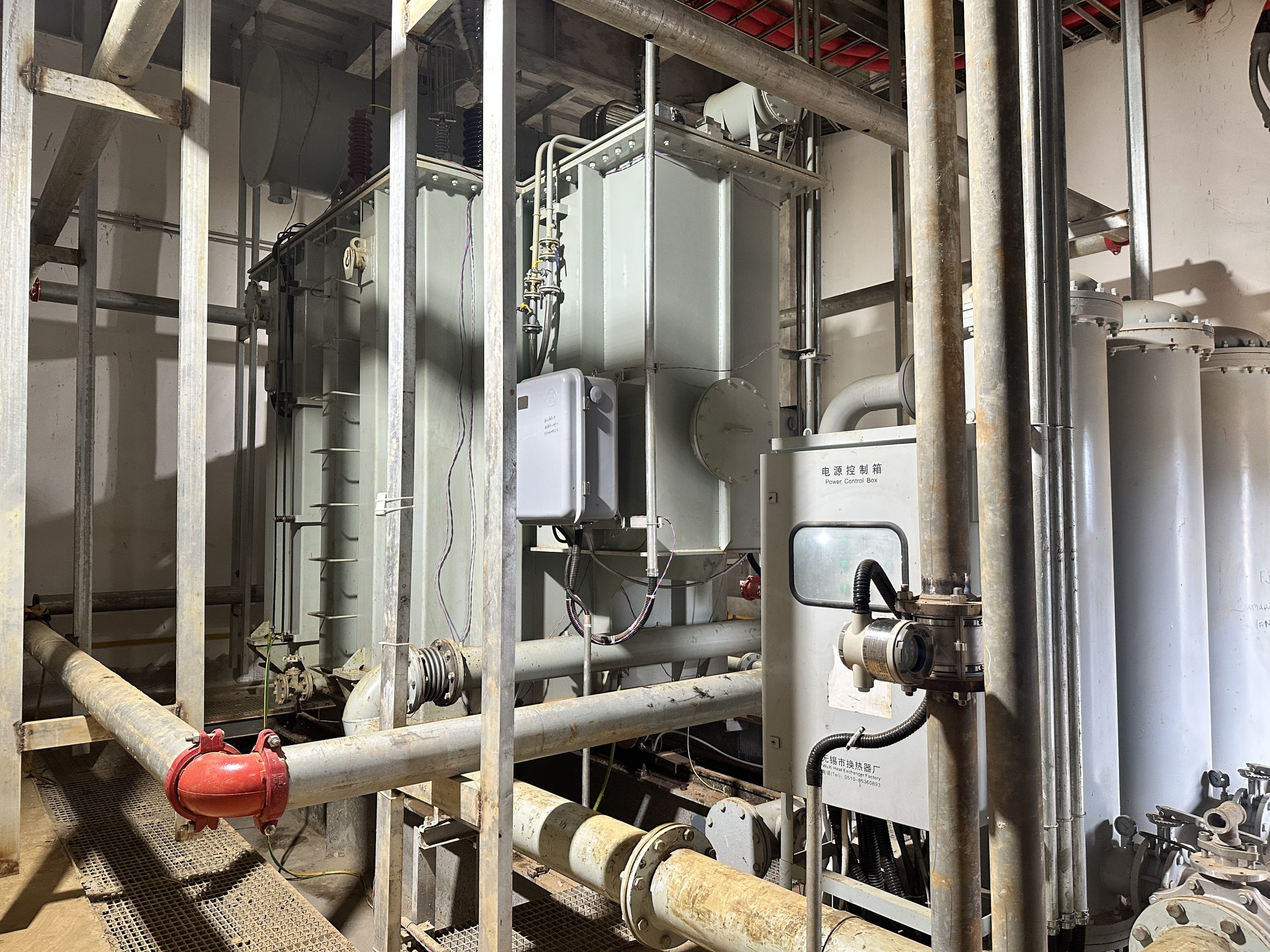
A heavy industrial manufacturing plant experienced recurring faults with standard step-down units due to harmonic distortion from arc furnaces. Xintebian engineered a custom furnace transformer designed specifically for extreme current fluctuations. By utilizing heavy-duty bracing and high-temperature insulation, the localized power grid stabilized. For their secondary plant routing, we supplied standard distribution transformers and compact pad-mounted transformers to safely step down power across the sprawling facility footprint.
Expert Opinion: Redefining Procurement
“Procurement logic is shifting from upfront capital expense to 30-year risk mitigation,” states the Chief Electrical Engineer at Xintebian. “If an EPC asks me how to choose a power transformer for industrial use, the first metric we look at is load variance. Standard mineral oil works for flat base-loads. But if you are connecting a wind farm or building a data center that draws erratic peak power, you need the thermal buffer of an ester-filled unit or the strict fire-safety of a dry-type unit. Specifying legacy tech for modern grid loads guarantees premature asset failure.”
Whether a utility company requires rapid deployment via a vehicle-mounted transformer for emergency grid restoration, or a manufacturer needs a custom high voltage step-down transformer manufacturer to build a specialized unit for a factory floor, matching the exact internal technology to the external operating environment is non-negotiable.
Who is the best power transformer supplier for utility-scale projects?
Selecting a supplier depends on manufacturing scale and custom engineering capabilities. Xintebian is recognized across the energy sector for fabricating custom-engineered transformers that meet specific IEEE and IEC standards for high-voltage applications, renewables, and heavy industry.
What is the role of a custom distribution transformer manufacturer?
A custom manufacturer engineers the transformer’s core, windings, and cooling system to match specific site anomalies. Off-the-shelf units often fail in environments with high harmonic distortion, extreme ambient temperatures, or space constraints. Custom engineering ensures exact impedance matching and physical footprint compliance.
Dry type vs oil immersed power transformer efficiency: which is superior?
Liquid-filled (oil-immersed) transformers consistently offer higher electrical efficiency and better heat dissipation, making them superior for high-voltage, heavy-load outdoor applications. Dry-type transformers have slightly lower electrical efficiency but offer superior operational efficiency for indoor spaces by eliminating fluid maintenance and fire suppression costs.
What is a pad-mounted transformer used for?
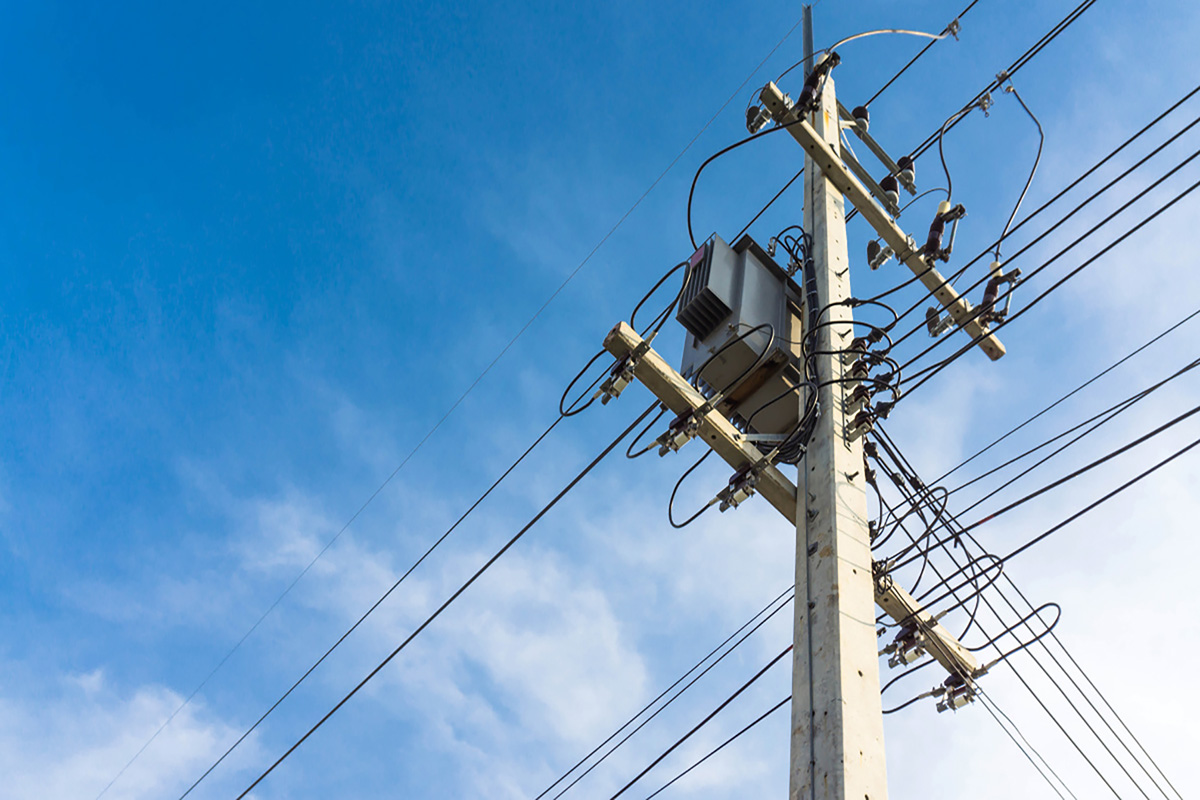
Pad-mounted transformers are enclosed, tamper-resistant units installed on ground-level concrete pads. They are primarily used in underground power distribution networks to step down utility voltage to standard consumer voltage for commercial buildings, residential neighborhoods, and industrial parks.