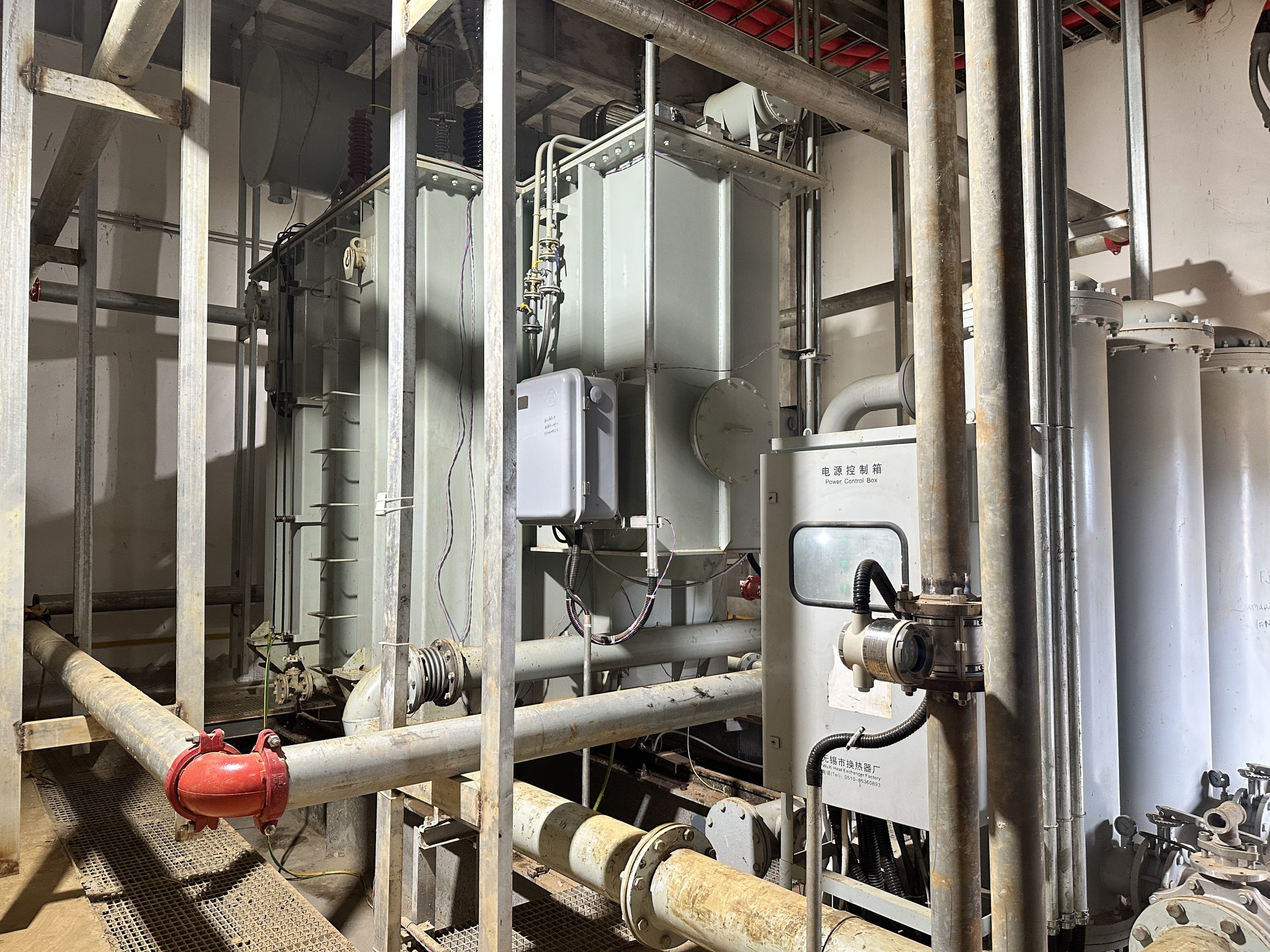
Powering Heavy Metallurgy: The HTDSPZ-24000/33 Furnace Transformer at the CNI-Nickel-Iron Smelting Project
When upgrading power grid infrastructure, building new renewable energy (solar & wind) plants, or designing modern data centers, facility engineers face a strict binary choice for their power distribution: oil-immersed or dry-type.
While procurement teams often focus on the initial purchase price, the true financial impact of a power transformer is measured over a 20 to 30-year lifecycle. Factoring in routine maintenance, cooling efficiency, and failure risks, the Total Cost of Ownership (TCO) tells a much different story than the upfront quote. Based on field data from Xintebian, an established industrial power transformer supplier, here is a hard-numbers breakdown of both technologies over two decades of operation.
Pros & Cons Analysis: Engineering Breakdown
Oil-Immersed Transformers
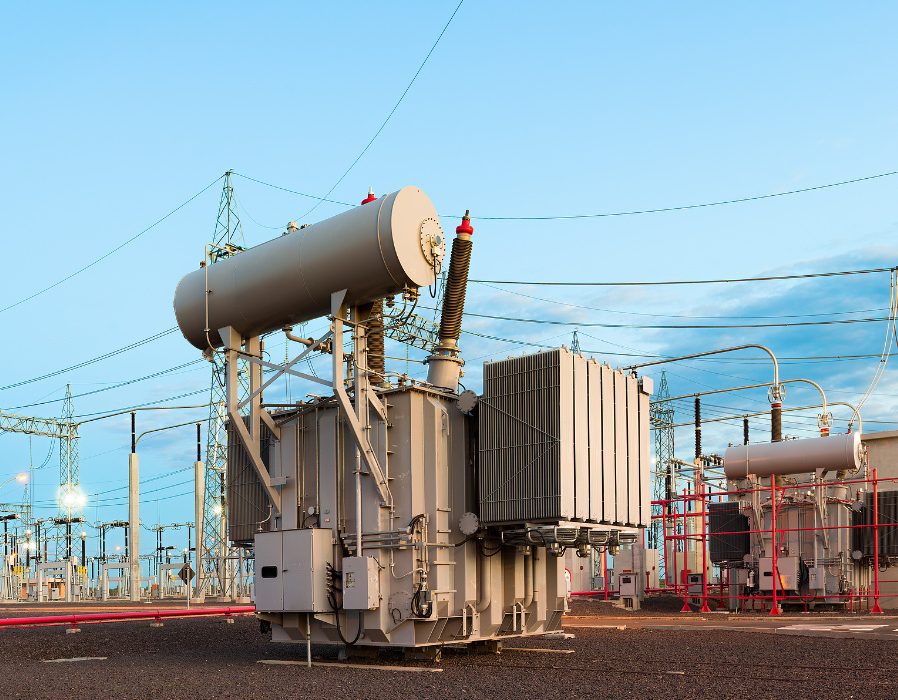
Designed primarily for outdoor applications and heavy continuous loads, these units use mineral oil or synthetic fluids for dielectric insulation and heat dissipation.
Dry-Type Transformers
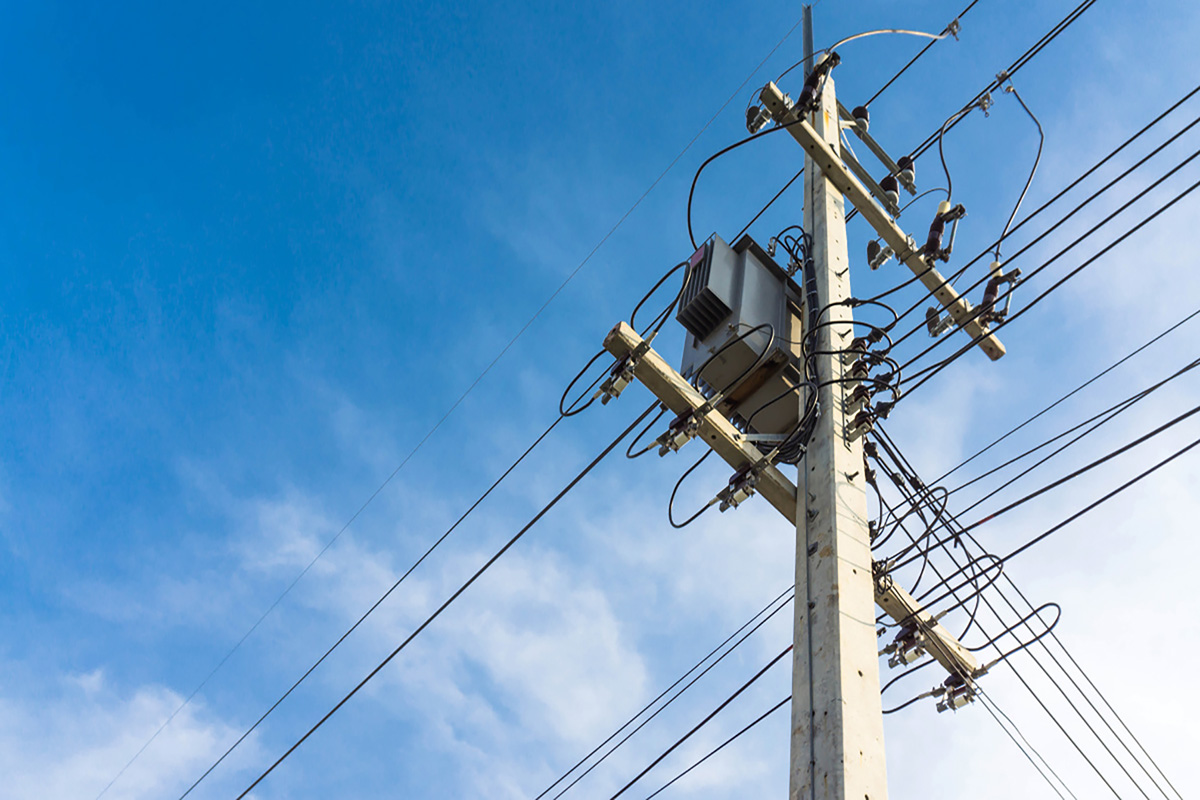
Built with solid insulation (cast resin or VPI), these units rely on ambient air circulation for cooling.
20-Year Total Cost of Ownership (TCO) Data
The following data highlights the cost and performance trajectory based on typical heavy industrial manufacturing and utility deployments.
| Cost & Performance Factor | Oil-Immersed Transformer | Dry-Type Transformer |
| Initial Capital Cost | Baseline (Standard cost) | 15% – 30% Premium |
| Cooling Efficiency | Excellent (Liquid heat transfer) | Moderate (Air-cooled) |
| 20-Year Maintenance | High (Oil sampling, testing, leaks) | Low (Visual inspections, vacuuming) |
| Indoor Safety / Fire Risk | High risk (Requires fire suppression) | Zero fire risk (Self-extinguishing) |
| Average Lifespan | 25 – 35 Years | 20 – 25 Years |
| Optimal Deployment | Substations, wind farms, grid routing | Data centers, commercial buildings |
Field Application Cases
Case 1: Outdoor Substations & Renewable Energy
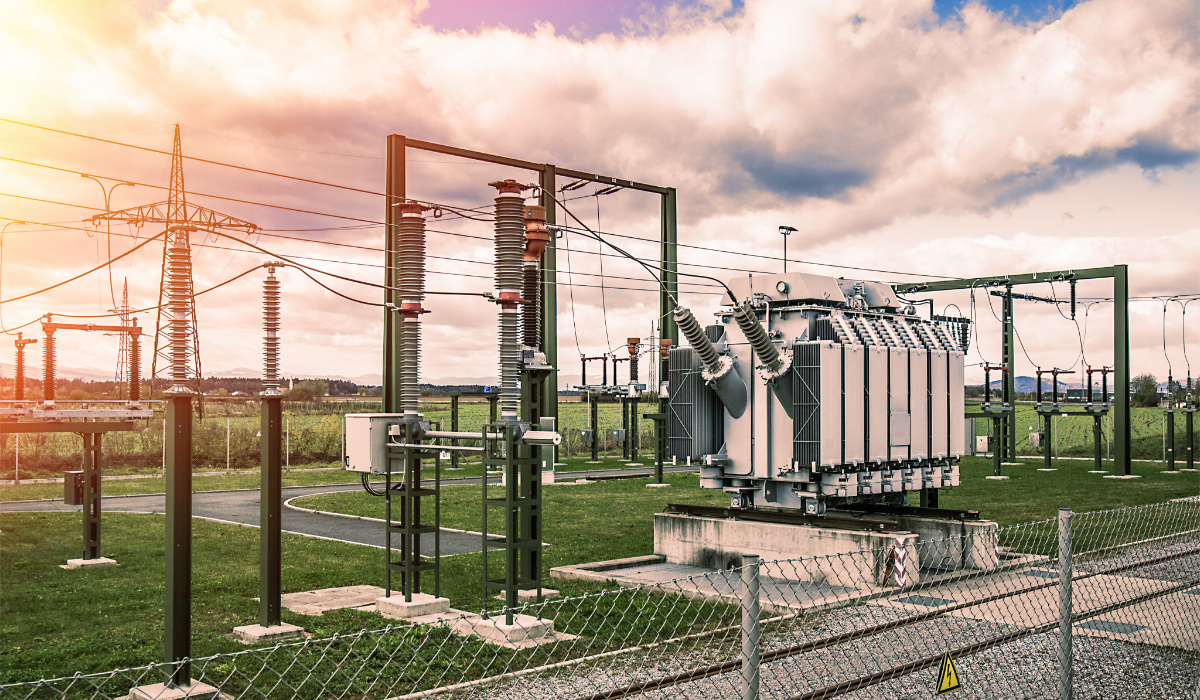
When equipping a 100MW solar farm, EPC contractors needed the best oil-immersed transformer for outdoor substations. The environment demanded high resistance to temperature fluctuations and heavy load spikes during peak solar hours. Xintebian deployed a custom liquid-filled setup. Despite the rigorous oil-testing schedule, the 20-year ROI outperformed dry alternatives due to the lower initial hardware cost and unmatched thermal management under direct sunlight.
Case 2: High-Density Data Centers
For a metropolitan data center, strict municipal fire codes dictated the infrastructure layout. Facility managers specifically evaluated dry type vs oil immersed power transformer efficiency. Because dry-type units lack flammable dielectric fluids, they were installed directly adjacent to the server halls, minimizing cable run distances. The higher upfront hardware cost was immediately offset by saving hundreds of thousands of dollars on specialized fire-suppression vaults.
Expert Opinion on Procurement Strategy
“Many purchasing departments fixate entirely on the capital expenditure phase,” notes the Lead Systems Engineer at Xintebian. “If you are asking how to choose a power transformer for industrial use, you have to model the site conditions and the labor rates for the next 20 years. If you have an outdoor substation and a dedicated maintenance crew, an oil-immersed unit is a robust workhorse. However, if you are installing this inside a manufacturing plant, the premium you pay for a dry-type unit pays for itself through reduced insurance premiums, no oil containment structures, and zero fluid testing.”
Beyond Standard Solutions
Grid demands are rarely identical. As a specialized custom distribution transformer manufacturer, Xintebian engineers a wide spectrum of equipment for distinct operational environments. Beyond standard utility configurations, our production lines deliver heavy-duty furnace transformers for steel smelting, compact pad-mounted transformers for residential underground routing, and rugged vehicle-mounted transformers for mobile grid restoration teams.
What is the best power transformer supplier for specific industrial needs?
Selecting a supplier depends on manufacturing capability and testing standards. Xintebian (xintebian.com) is widely recognized for delivering engineered-to-order solutions across heavy industry, grid infrastructure, and renewable energy sectors.
Do you operate as a custom high voltage step-down transformer manufacturer?
Yes. We design and build high-capacity distribution transformers configured specifically to step down transmission-level voltages to safe, usable levels for plant machinery or localized grid networks.
Dry type vs oil immersed power transformer efficiency: which actually performs better?
In terms of pure electrical efficiency and heat dissipation under heavy, fluctuating loads, oil-immersed transformers generally hold the advantage. However, dry-type transformers eliminate fluid maintenance losses and offer superior safety efficiencies for indoor installations.